Project shape
Format: on-site at the office, or the same setup at a nearby studio · Deliverables: finals in web and print sizes, plus crops for LinkedIn and slide decks · Budget band: from $1,449
The scenario
This scenario looks at how a growing LA startup can plan a team headshot system that supports a hiring page, founder bios, LinkedIn profiles, an investor deck, and the new hires joining over the next two quarters. The team has accumulated old profile images from conferences, phone snapshots, LinkedIn crops, and a few older studio sessions. None are bad alone, but together on the company page they make the company look accidental.
The job of a team headshot day here is not to take one good portrait per person. It is to build a single visual system the hiring page, LinkedIn, recruiting materials, internal directories, and investor decks can all draw from for the next twelve to eighteen months.
Why the hiring page needs a visual system
A hiring page is one of the highest-trust surfaces a startup owns. A candidate browsing the team section is looking for a quick read on the people they might work with. Mismatched portraits read as low effort, even when the team itself is strong. A clean, consistent set signals that the company runs structured processes — the same signal investors are scanning for.
The visual system also has to age well. The hiring page shipping this quarter has to absorb new hires in three, six, and twelve months without forcing a full reshoot. That means deciding crop, background, lighting, and expression range before the first photo is taken, then locking the decision down so the next session can match it.
A useful frame: treat the team headshot day less like a photo project and more like setting up a small brand component used across the website, team headshots in Los Angeles, corporate headshot pages, LinkedIn, and slide decks.
Planning challenge
The hardest part of a startup team headshot day is the planning before the shoot, not the photography itself:
- agreeing on the visual standard (background, crop, expression range, wardrobe);
- agreeing on which images each person will actually use;
- naming an owner — usually a People Ops lead, an EA, or a brand-aware founder;
- agreeing on how new hires and remote employees will be matched to the same standard.
If any of these are unresolved, the day still produces images, but the page tends to drift back into inconsistency within months.
Recommended visual system
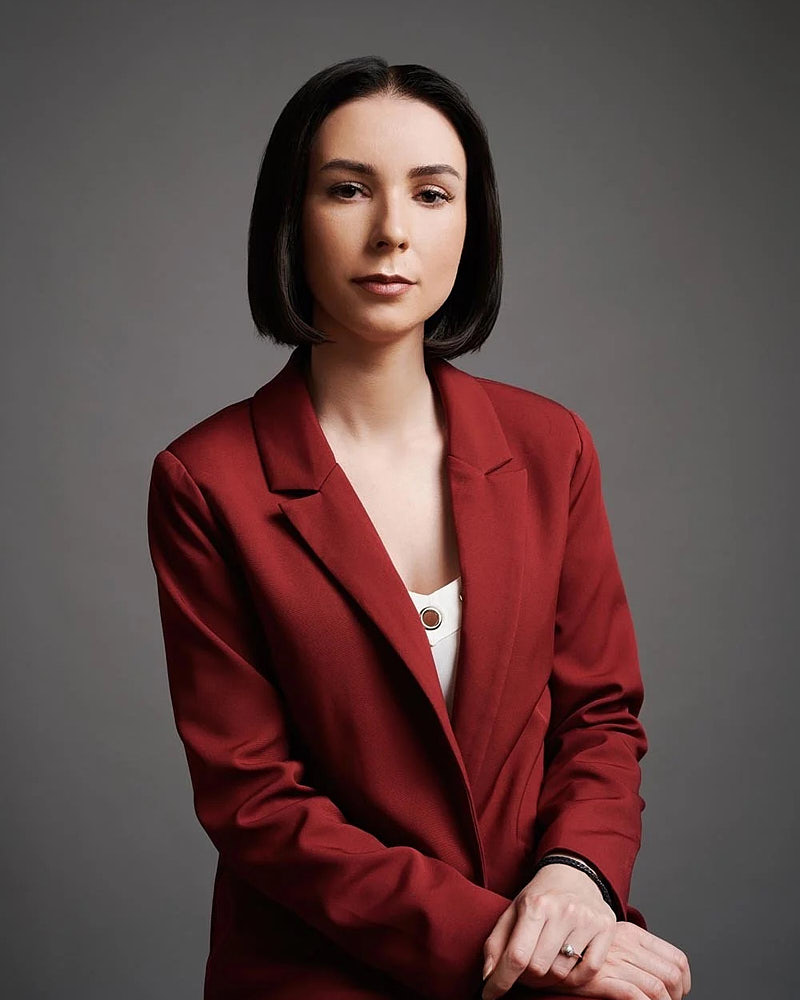
For a startup, the safest visual system is restrained: a neutral background, a clean head-and-shoulders crop, even lighting, and a small expression range. The background should not depend on one specific office wall the company might leave next year. The crop should be wide enough that the same file works as a square LinkedIn avatar, a website portrait, and an investor-deck thumbnail.
A short pre-shoot wardrobe note — solid colors, no busy patterns, no logos, no glossy fabrics — does most of the work. For founder portraits that need to carry more weight (funding, press, speaker bios), a second look or a slightly more environmental frame can sit on top of the team setup without breaking the system.
How to prepare the employee roster
The roster is the operational backbone of the day. Before the shoot:
- list every employee photographed, with role and team;
- mark anyone remote on the shoot day;
- assign a primary slot per person plus a buffer for late arrivals;
- agree which fields People Ops will use to file the final images;
- decide on a file naming convention so the team-page CMS can ingest the delivery without rework.
For a small startup this lives in one shared sheet, which then becomes the reference for the new-hire workflow.
What the office setup should include
If the day runs from the company office, the room should be private enough that employees do not have to perform in front of a crowd, large enough for the lighting setup, close to a quiet check-in area, and away from glass walls that reflect strobes. If the office cannot offer that, the same setup works at a nearby studio — the visual system is defined by lighting, crop, and direction, not the building.
Shoot / rollout workflow
A typical workflow for a focused startup team day:
- pre-shoot brief shared with the team (wardrobe, time slot, expectations);
- check-in with one calm point of contact;
- short slot per person with direction (expression range, posture, small wardrobe adjustments);
- live monitor review for selects on the spot where possible;
- private gallery delivered shortly after the shoot;
- consistent retouching style across every portrait;
- final delivery in web and print sizes, plus crops for LinkedIn and slide decks.
The workflow removes decision fatigue. Employees arrive, get directed, see a frame they like, and leave. Final selection happens after the shoot inside the private gallery.
Planning something similar?
Tell us the team size and timeline — request details or see team headshots in Los Angeles.
Image usage plan
For a startup hiring page, the images usually need to support the hiring page, About / Team pages, LinkedIn profile photos, investor-deck headshots, founder press requests, internal Slack / Notion / HRIS profiles, and optional speaker bios. A single session covers all of these when the brief plans for them up front — the files do not need to be re-photographed for each surface, just cropped and exported correctly.
How to keep the style usable for future hires
The most useful artifact from a team headshot day is a one-page visual standard: background and crop references, lighting notes, expression examples, wardrobe guidance, retouching note, and file naming. When the next hire joins, People Ops hands the standard to the same photographer — or a remote headshots session for a distributed hire — and gets a portrait that matches the team.
Operational notes
A few practical points worth deciding before the shoot:
- usage rights — confirm the company can use the images on website, social, press, and recruiting;
- consent — confirm each employee is comfortable with planned uses;
- ownership of the master gallery — usually People Ops or Marketing;
- backup of delivered files in at least two locations, including a cloud archive;
- review cadence — most startups benefit from revisiting the imagery yearly.
Recommended pages / next step
For this scenario, start with team headshots in Los Angeles. If the rollout is broader — multiple departments, a full company directory, an investor-facing leadership section — see corporate headshots in LA. If the team has distributed members, add remote headshots to keep the team page consistent. For pricing comparison, see Headshot Buro pricing.
FAQ
How many people can be photographed during a startup headshot day?
It depends on schedule, setup, image volume per person, and how much direction each person needs. A focused LA startup team day can usually cover a tight group in one office or studio block when the roster, room, wardrobe brief, and timing are agreed before the shoot.
Should startup team headshots look formal or casual?
They should match how the company wants to be understood. A startup team can look approachable without looking inconsistent. The safest approach is clean lighting, a neutral background, a controlled crop, and expression direction that feels current rather than over-corporate.
Can new hires be matched later?
Yes. Matching works best when the original session documents crop, background, lighting, wardrobe guidance, and retouching style on a single reference page. With that reference, the same photographer or a remote headshots session can produce a portrait that fits the existing team page.
Who usually owns the headshot project inside an LA startup?
For most startups, ownership sits with People Ops or HR, with input from a founder or the marketing lead. The owner runs the roster, the visual brief, the day-of logistics, the file delivery, and the new-hire workflow.