Actor headshots in Los Angeles

Actor headshots in Los Angeles that read clearly on a casting page

Directed sessions for casting clarity — commercial and theatrical range, natural presence on the page, and retouching that keeps the face you bring into the room.

Sessions from $379

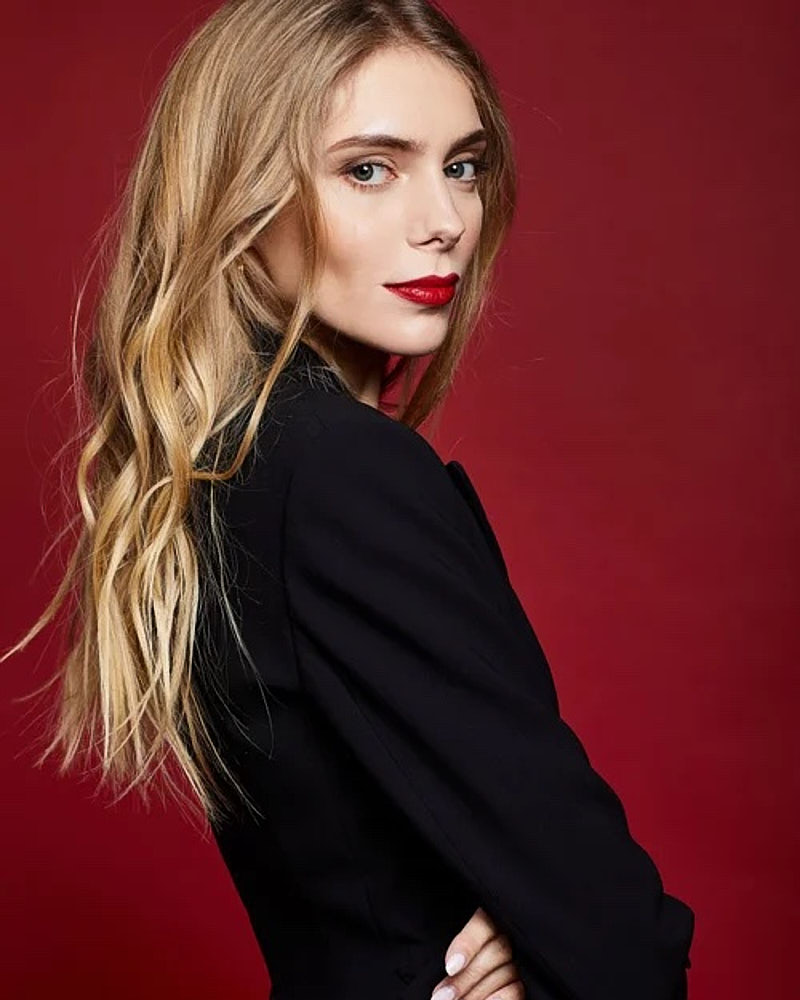
Actor headshot of a woman in a black blazer photographed against a deep red studio background.
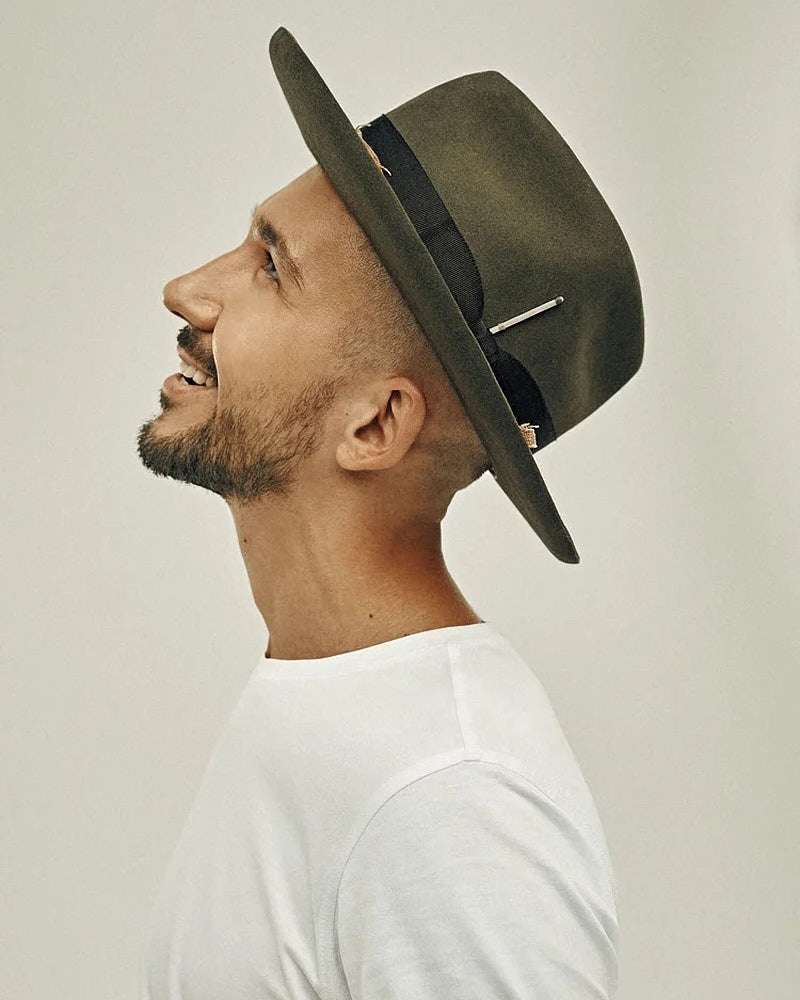
Side-profile actor portrait of a man in a hat and white shirt against a light studio background.
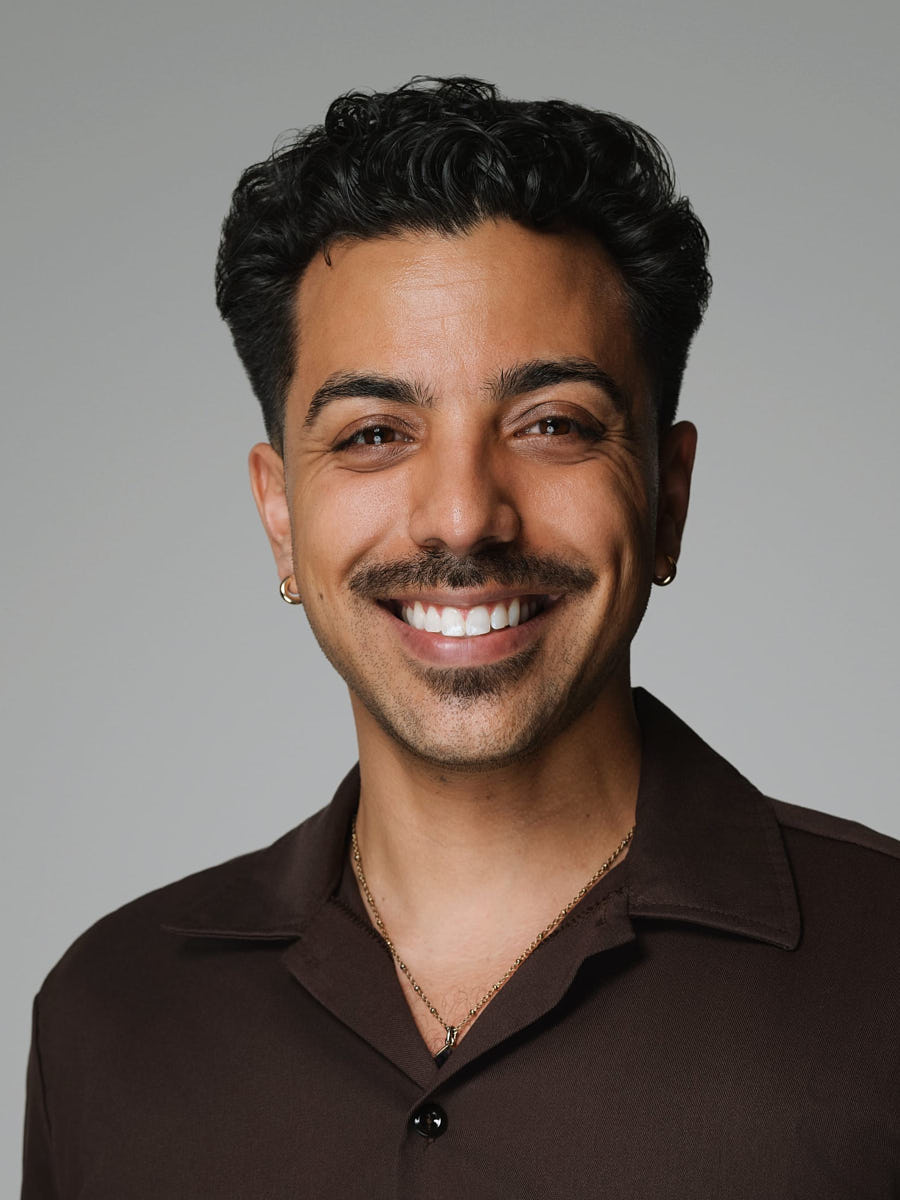
Smiling actor headshot of a man in a brown shirt on a neutral gray background.
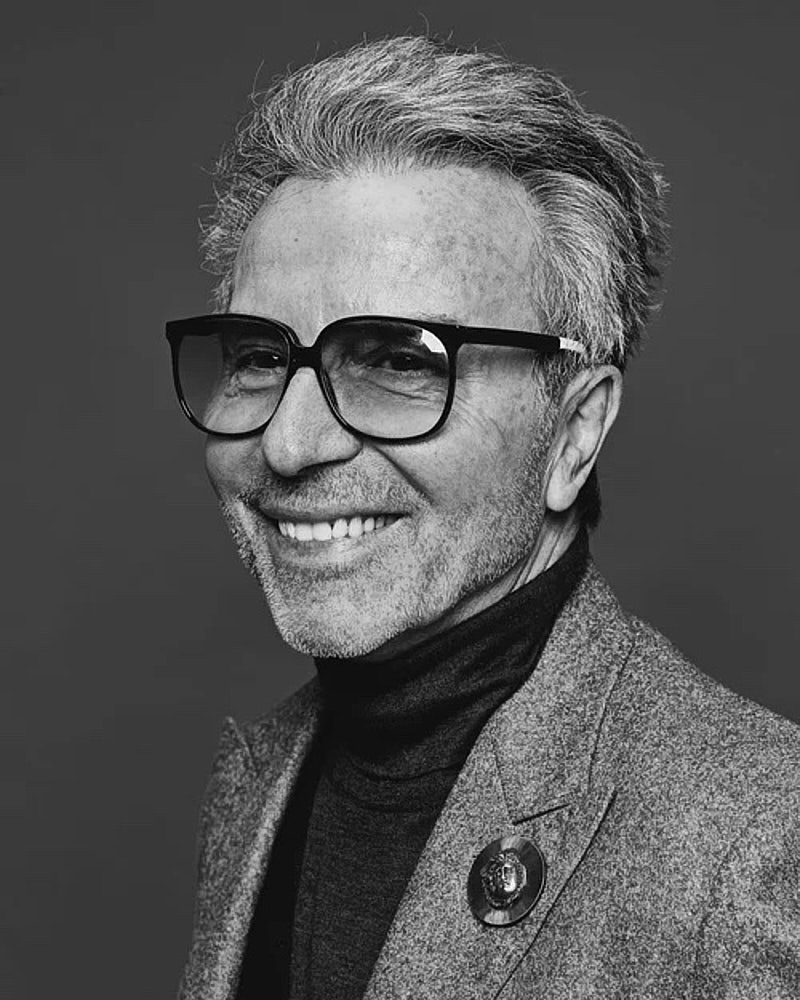
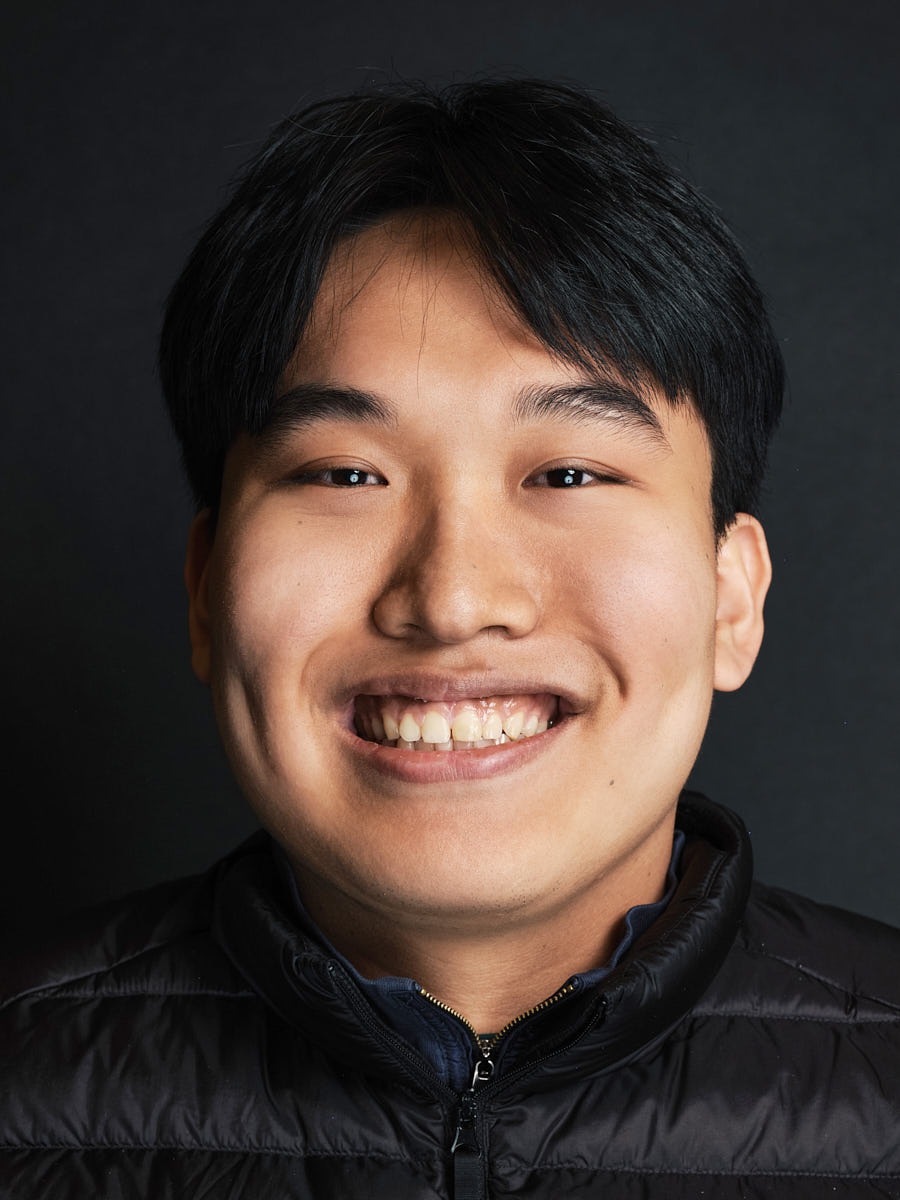
Black and white actor headshot of a mature man in glasses with an approachable commercial expression.
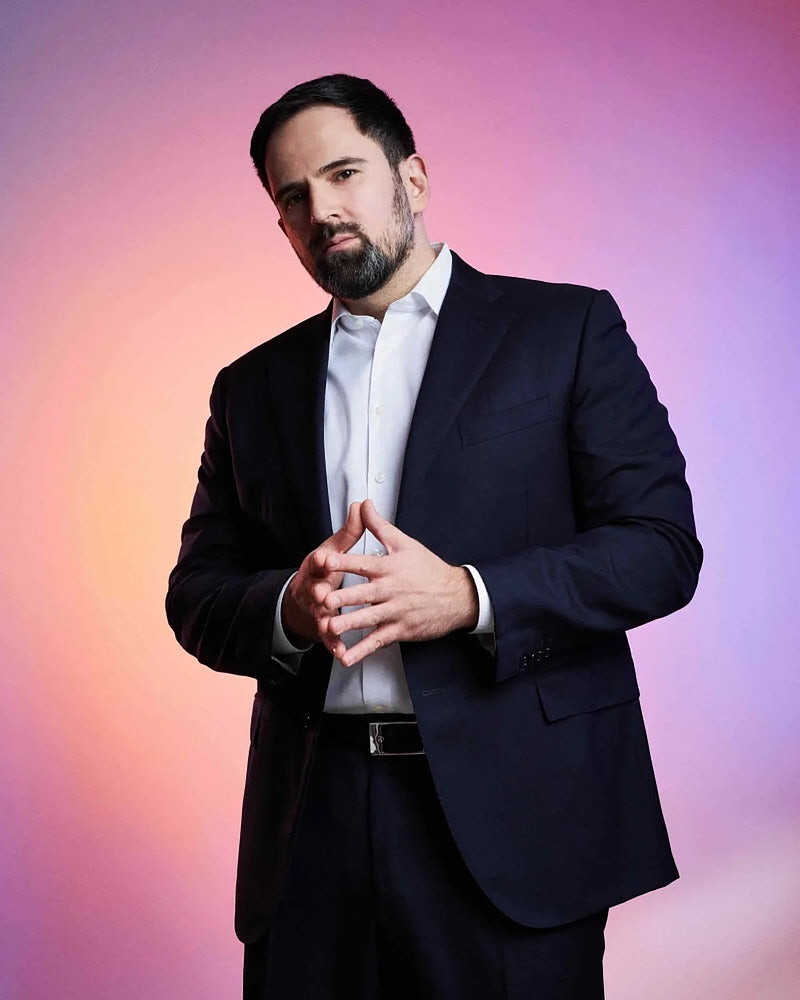
Fuller actor portrait of a man in a suit photographed on a pink and blue gradient studio background.
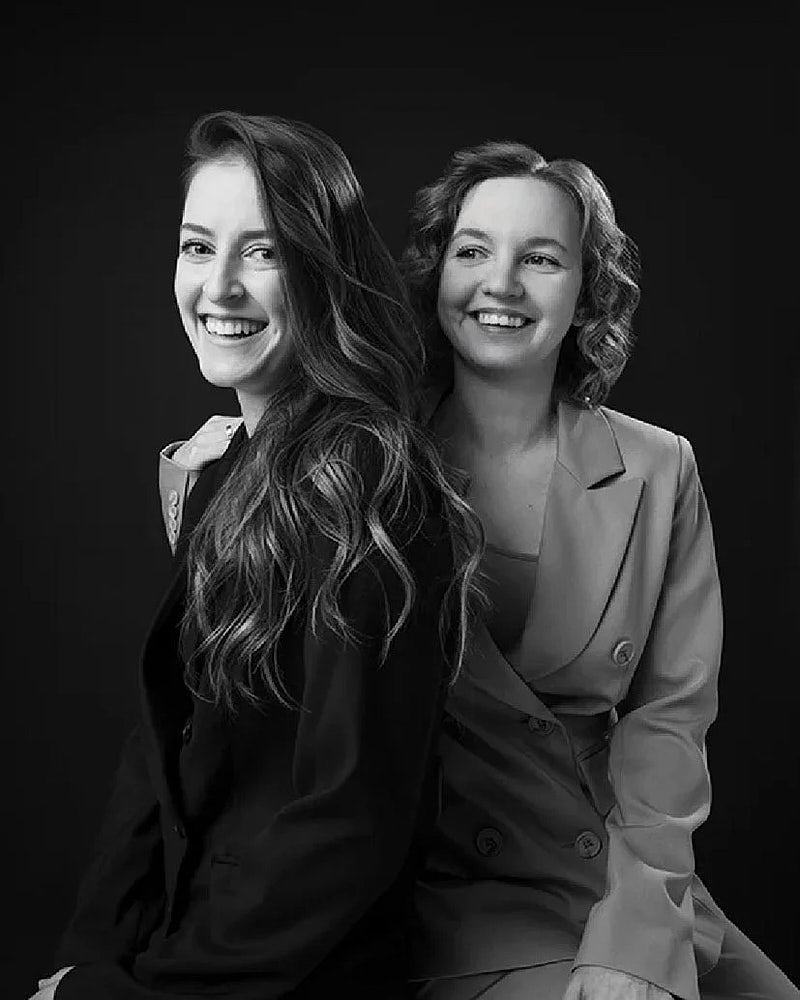
Black and white actor portrait of two women photographed together in a studio setting.

What a casting page must communicate

A casting page is read quickly, so the image must make the face, expression, and likely character register easy to understand without extra explanation. The useful question is not whether a frame is dramatic in isolation. The useful question is whether the frame remains recognizable, specific, and readable beside many neighboring images.

Start with the role of the image. A commercial frame often leans toward openness and immediate approachability. A theatrical frame often relies on restraint, concentration, and a more defined emotional register. Neither category requires exaggeration. The distinction comes from expression, wardrobe, background, crop, and the relationship among them. Read commercial vs theatrical headshots before building the shot brief.

Build a readable expression range

Expression range should be legible, not merely different. A useful pair of frames changes the emotional register while keeping the person recognizable. Compare the eyes, mouth, jaw, shoulder line, and head angle together. If only the mouth changes, the pair may feel repetitive. If every visual element changes at once, the pair may feel disconnected.

Write a short word for each intended register before the camera work begins. Use words that describe how the image should read rather than instructions for a forced pose. Use concrete words such as calm, direct, grounded, alert, and warm. Use the headshot poses guide as supporting preparation rather than as a list to imitate mechanically.

Choose wardrobe for separation, not distraction

Wardrobe should help the face remain the primary information. Check neckline, collar, texture, pattern scale, and contrast against the background. A garment can look effective in person yet create visual noise after a tight crop. Bring choices that create distinct registers without becoming costumes unless a specific use requires that choice.

Inspect each option at the destination-page crop. Fine patterns may merge at small size. Very bright details may pull attention away from expression. Very dark clothing can lose separation against a dark background. The goal is a coherent relationship among face, wardrobe, and backdrop.

Crop and background decisions

A casting image needs enough room for more than one common crop while keeping the face dominant. Check the frame as a compact thumbnail, a standard profile image, and a larger portrait. Keep safe space around hair, shoulders, and the direction of the gaze. Avoid a crop that works at only one exact size.

Background choice should support the intended register. Evaluate hue, brightness, contrast, texture, and separation. A neutral background can keep attention on expression. A more environmental frame can add context, but context should not compete with the face. Compare Studio & On-Location when the setting itself is part of the decision.

How to select the final set

Begin selection by removing technical misses and near-duplicates. Then group the remaining frames by emotional register. Choose the strongest readable option from each useful group rather than choosing several versions of the same expression. View the candidates at the actual destination crop before making the final decision.

Check recognizability last, after the visual favorites are clear. The chosen image should still feel like the person who arrives in the room. Retouching should not erase the features that carry identity. Use View full portfolio for visual comparison, then record why each selected frame belongs in the set.

A concise answer

An effective actor headshot makes the face recognizable, gives the casting reader a clear emotional register, survives a compact crop, and separates commercial from theatrical intent without relying on exaggerated styling. Expression, wardrobe, background, and crop should point in the same direction.

Before using Contact, write down the intended register, destination page, wardrobe direction, background preference, and the difference each final frame should communicate. Consult Headshot Budget Guide when comparing scope.

Plan the image sequence and page placement

A final set gains meaning from sequence. Begin with the frame that communicates the broadest readable register, then add a frame that creates a clearly different emotional direction. Keep near-duplicates beside each other during selection so small expression changes are not mistaken for distinct ideas. The sequence should feel intentional when the images appear together on a casting profile.

Map each selected frame to a destination before export. Name the primary casting profile, any agency page, any biography page, and any secondary crop. Check each destination's aspect ratio and surrounding background. Leave enough image area for the required crops and avoid placing important visual information near an edge that may disappear.

Use a simple file label that identifies the register and crop without making an unsupported claim about a role. Keep the original selection decision beside the exported versions. If a later crop changes the emotional read, return to the uncropped frame and compare again rather than forcing the original choice into an unsuitable shape.

Inspect the page after the image is placed. The heading, supporting text, image, alternative text, and nearby links should describe the same intent. Alternative text should state only visible details that matter in context. It should not repeat the page title or add a character, credential, or reputation claim that the image cannot prove.
Actor session packages

Actor packages are built around casting range, natural expression, and usable looks rather than generic business portraits. Choose by how many looks, outfits, and retouched finals you need for casting profiles.

Actor sessions are built around casting clarity, usable range, natural expression, and retouching that keeps the person recognizable.

Actor Mini Session

$379

A focused studio update for actors who need a clean refresh.

  • In studio
  • 30-minute photoshoot
  • 1 outfit
  • 1 colored backdrop
  • 2 high-end retouched pictures
  • 15 color-corrected pictures
  • Private online gallery for 1 month
  • Unlimited usage rights
Request actor session
Best Choice

Actor Standard Session

$549

For more image range and broader casting utility.

  • In studio
  • 1-hour photoshoot
  • 2 outfits
  • 2 colored backdrops
  • 4 high-end retouched pictures
  • 30 color-corrected pictures
  • Private online gallery for 1 month
  • Unlimited usage rights
Request actor session

Actor Upgraded Session

$749

For more looks, more finals, and a fuller session structure.

  • In studio or on location
  • 2-hour photoshoot
  • Up to 4 outfits
  • 3 colored backdrops
  • 8 high-end retouched pictures
  • 50 color-corrected pictures
  • Private online gallery for 1 month
  • Unlimited usage rights
Request actor session

Availability, location format, and final scheduling are confirmed after inquiry.

How an actor session runs

We move through usable looks rather than random expressions. Commercial, theatrical, approachable, serious, and grounded options are directed with casting readability in mind so the gallery covers your range without forcing the same face into a costume. Actor sessions are photographed at our Downtown LA studio, 2079 E 15th St #339C, Los Angeles, CA 90021, by appointment Mon–Sat 9:00 AM–7:00 PM. Call (213) 774-0188 to confirm a slot.

  1. Plan the looks

    Confirm commercial and theatrical separation, wardrobe shortlist, and any specific casting use.

  2. Shoot the range

    Directed blocks per look, with adjustments between sets so the face you bring to auditions is the face on the page.

  3. Select

    Review proofs in your private gallery and pick the frames that read clearest at small thumbnail size.

  4. Retouch lightly

    Temporary distractions go; texture, lines, and the asymmetry that make you recognizable stay.

  5. Deliver

    Final files with unlimited usage rights, sized for casting platforms and reel covers.

Portfolio

Actor headshot examples

A mix of commercial, theatrical, expressive, and clean casting-style portraits showing how different actor headshots can read quickly while still feeling specific.

Actor headshot of a woman in a black blazer photographed against a deep red studio background.
Black and white actor headshot of a mature man in glasses with an approachable commercial expression.
Smiling actor headshot of a man in a brown shirt on a neutral gray background.
Side-profile actor portrait of a man in a hat and white shirt against a light studio background.
Fuller actor portrait of a man in a suit photographed on a pink and blue gradient studio background.
Clean commercial actor headshot of a woman in a light shirt and dark blazer on a gray background.
Black and white actor portrait of a man seated against a dark studio background.
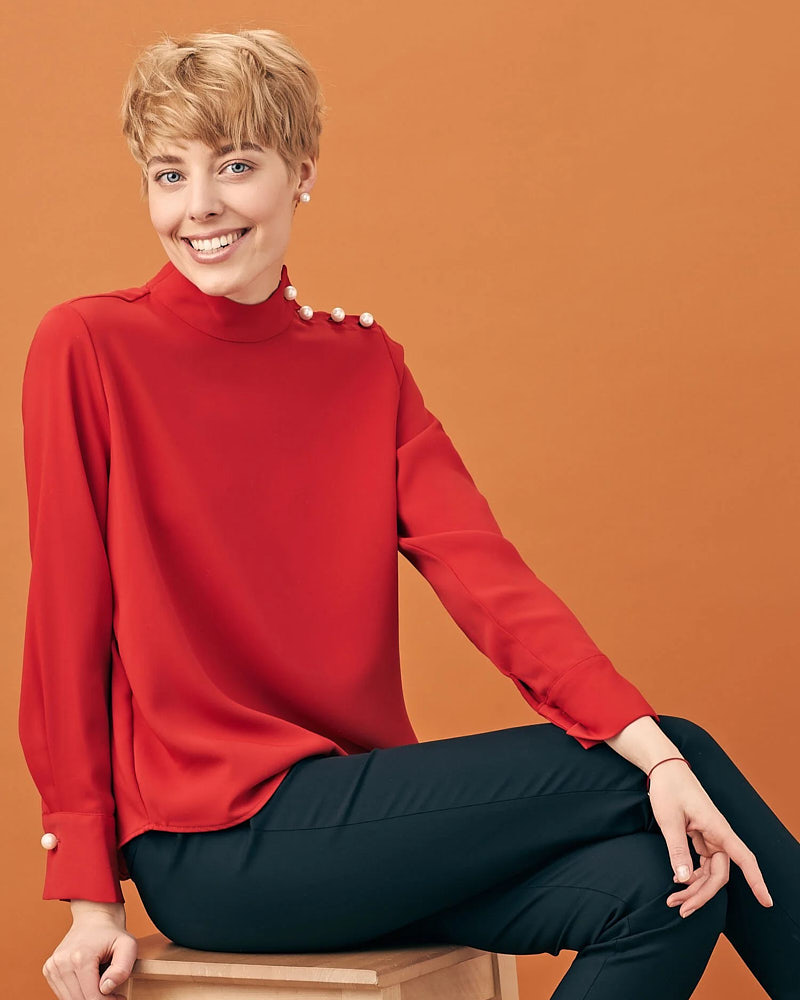
Colorful actor portrait of a woman in a red sweater photographed on an orange studio background.
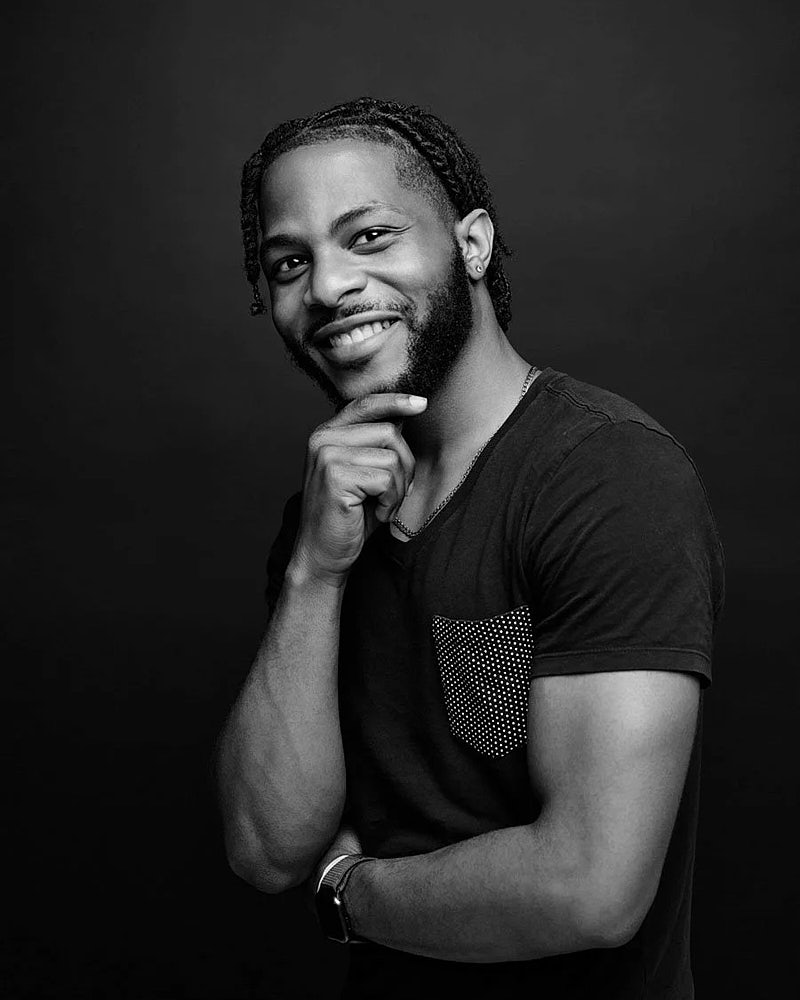
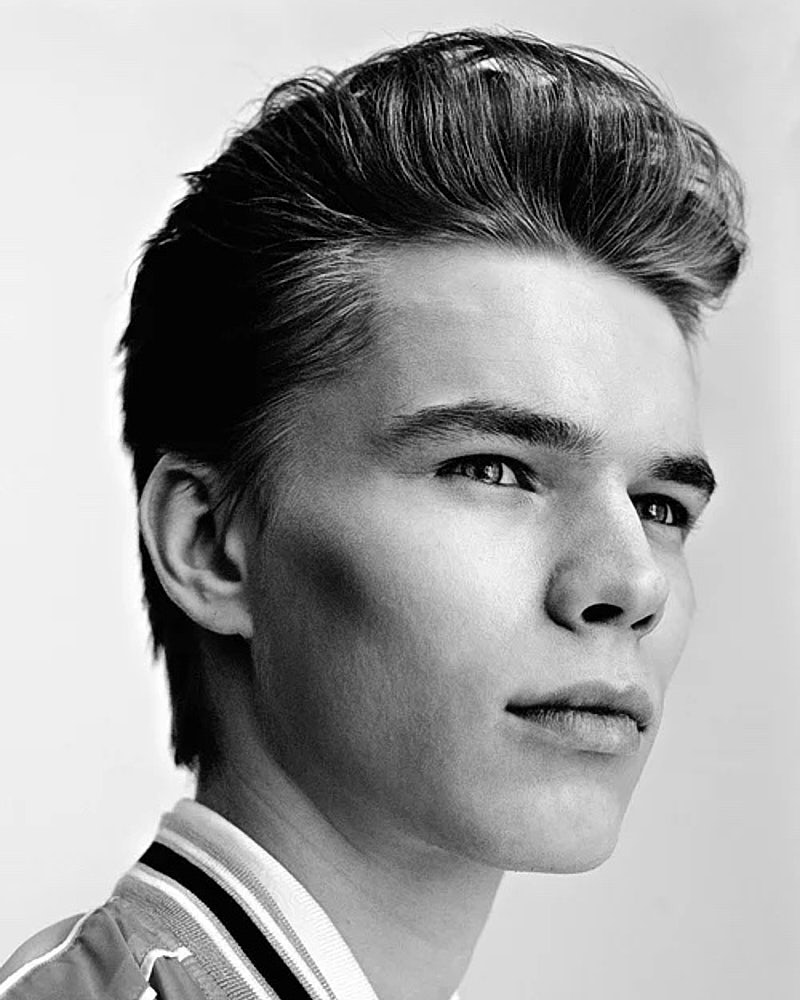
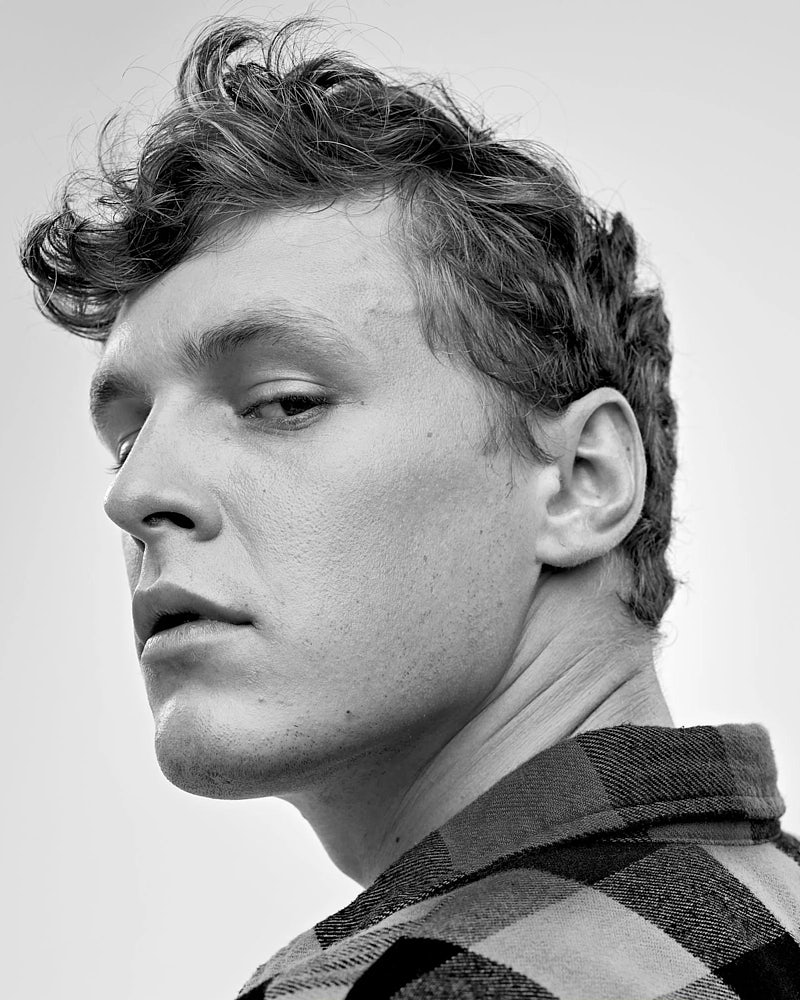
Black and white actor headshot of a young man turned slightly toward the camera.
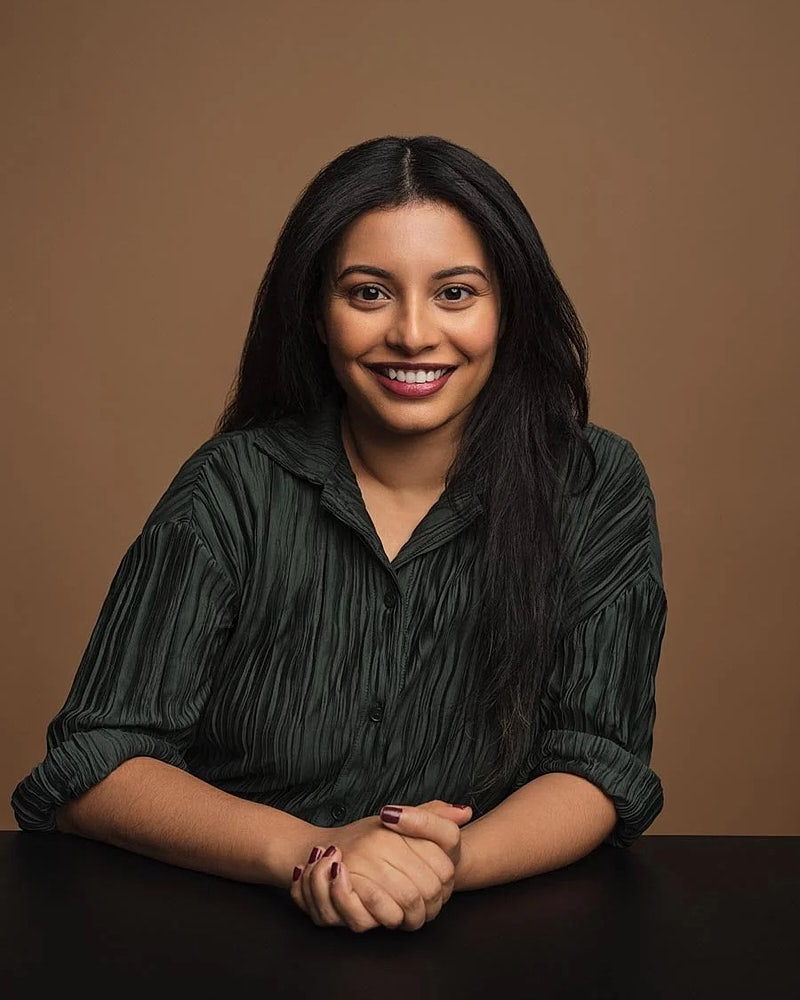
Seated actor portrait of a woman photographed against a warm brown studio background.
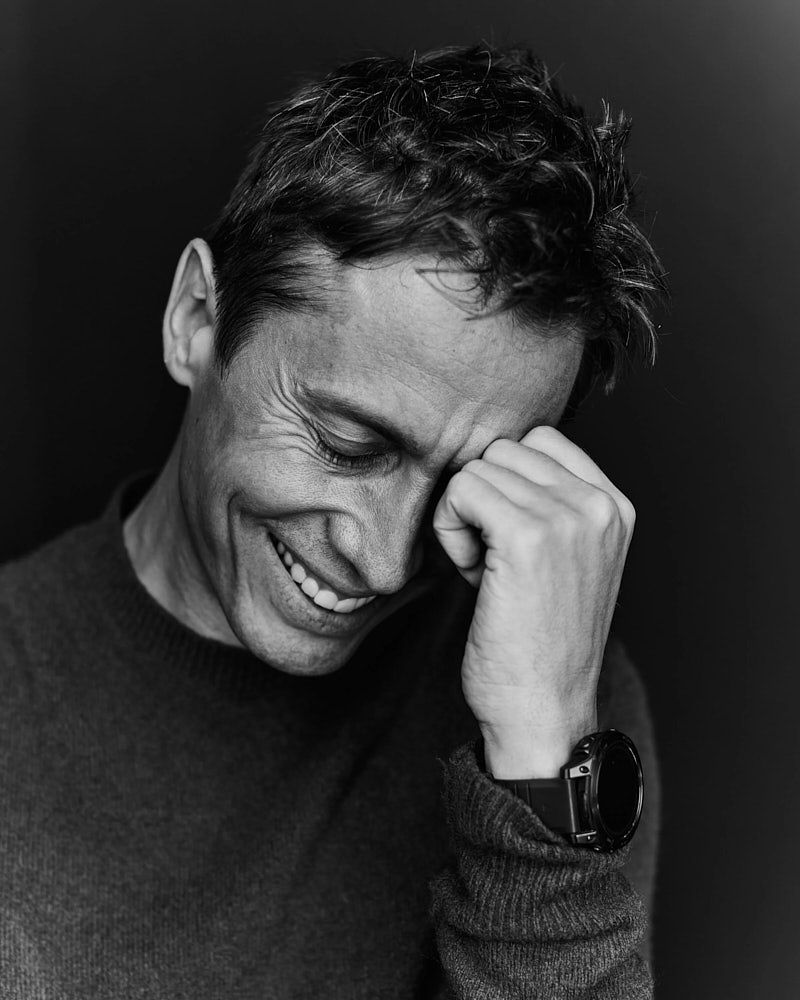
Black and white actor headshot of a man with a relaxed emotional expression against a dark background.
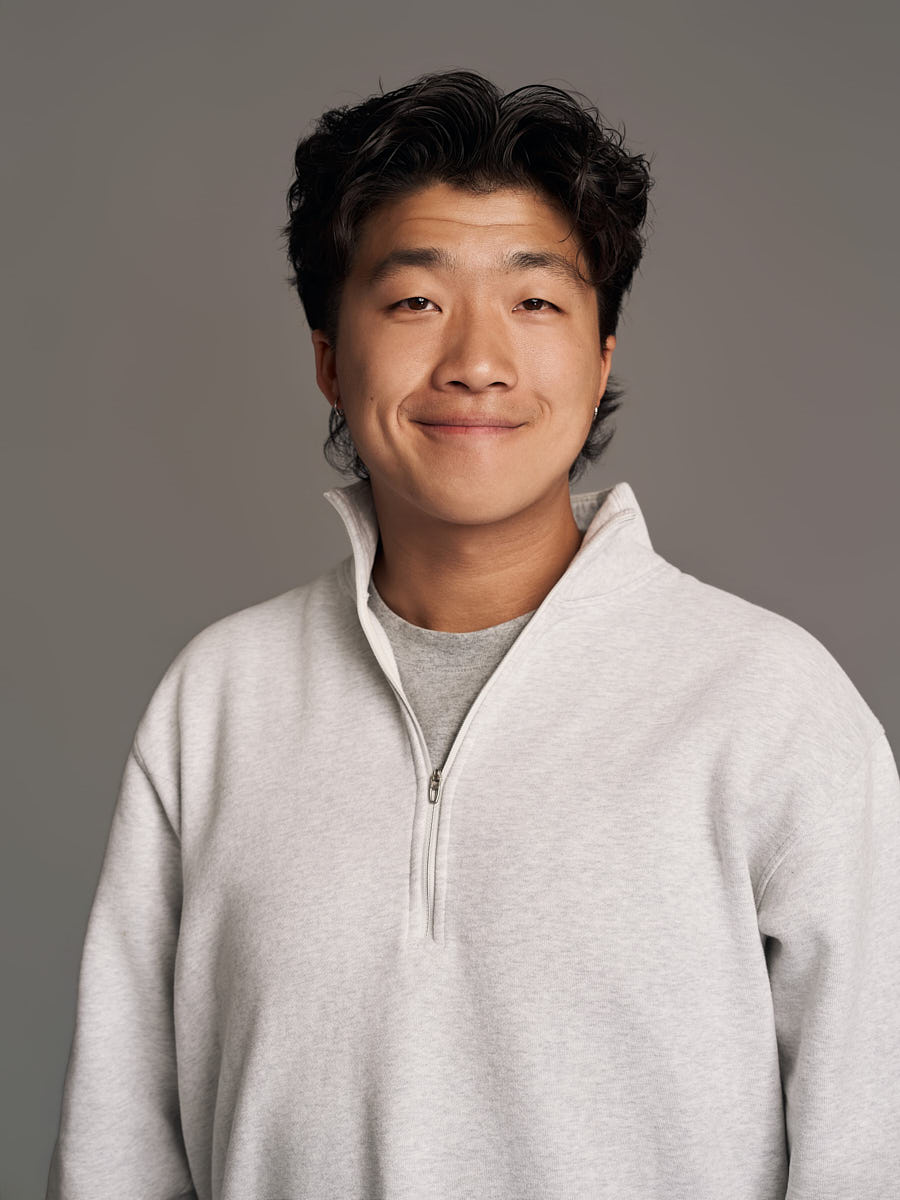
Casual actor headshot of a man in a light sweater photographed against a soft gray background.
Black and white actor portrait of two women photographed together in a studio setting.
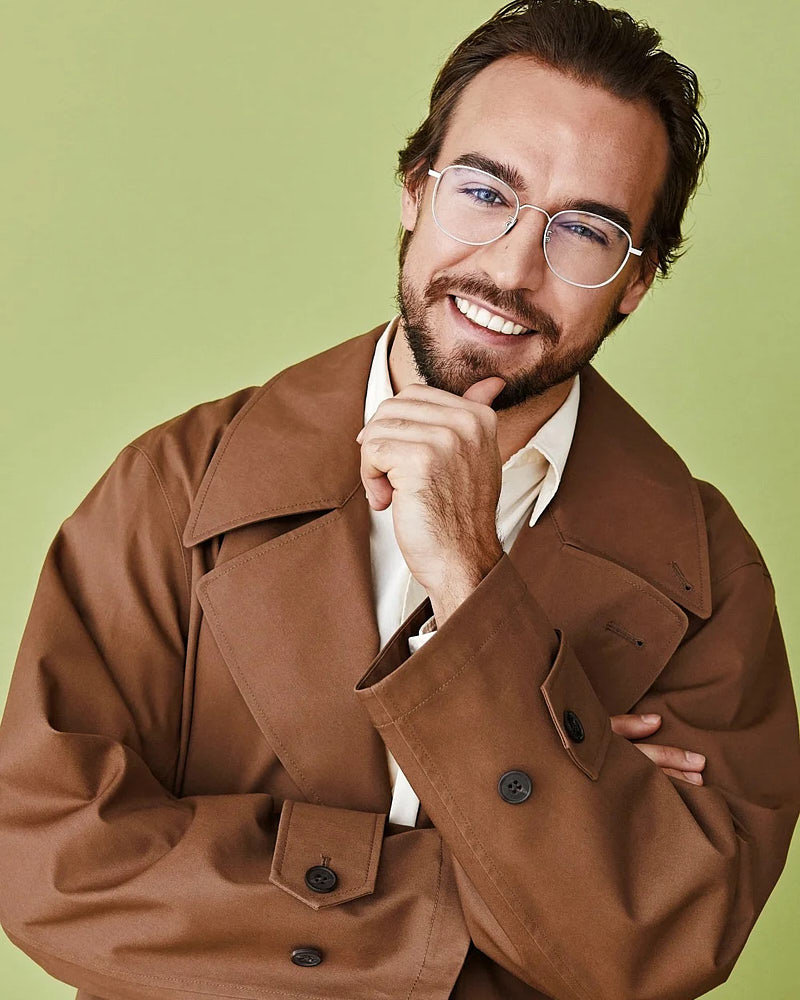
Commercial actor portrait of a man in glasses and a brown jacket on a pale green background.
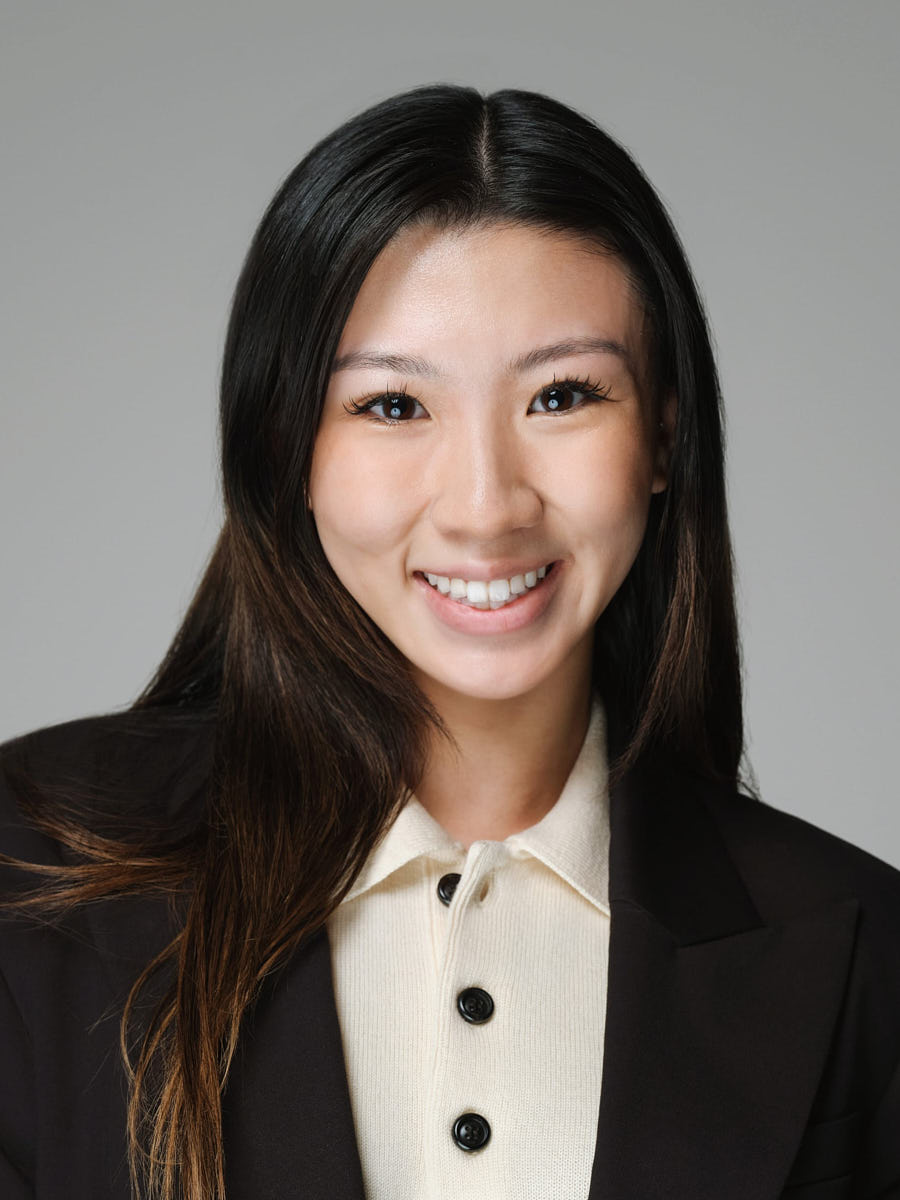
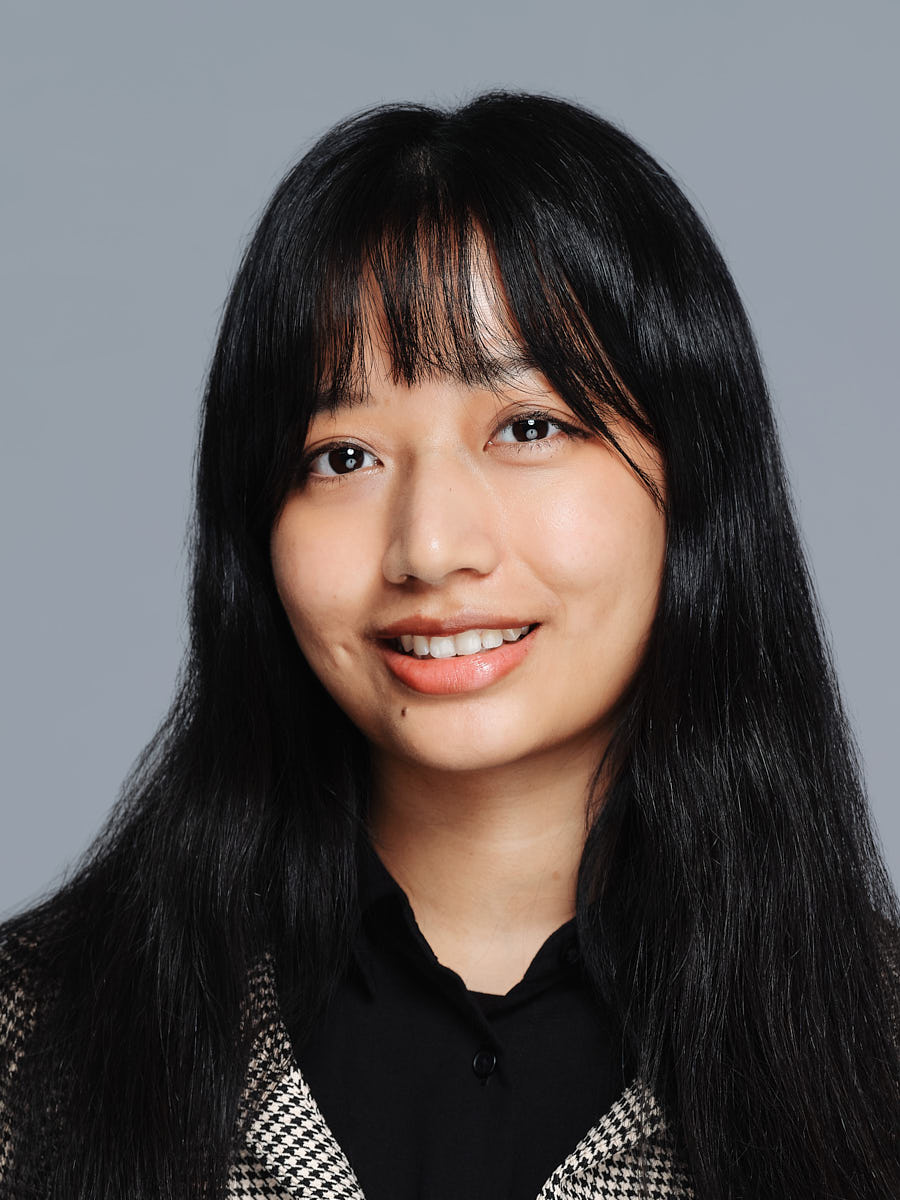
Clean actor headshot of a woman with long dark hair on a muted gray studio background.
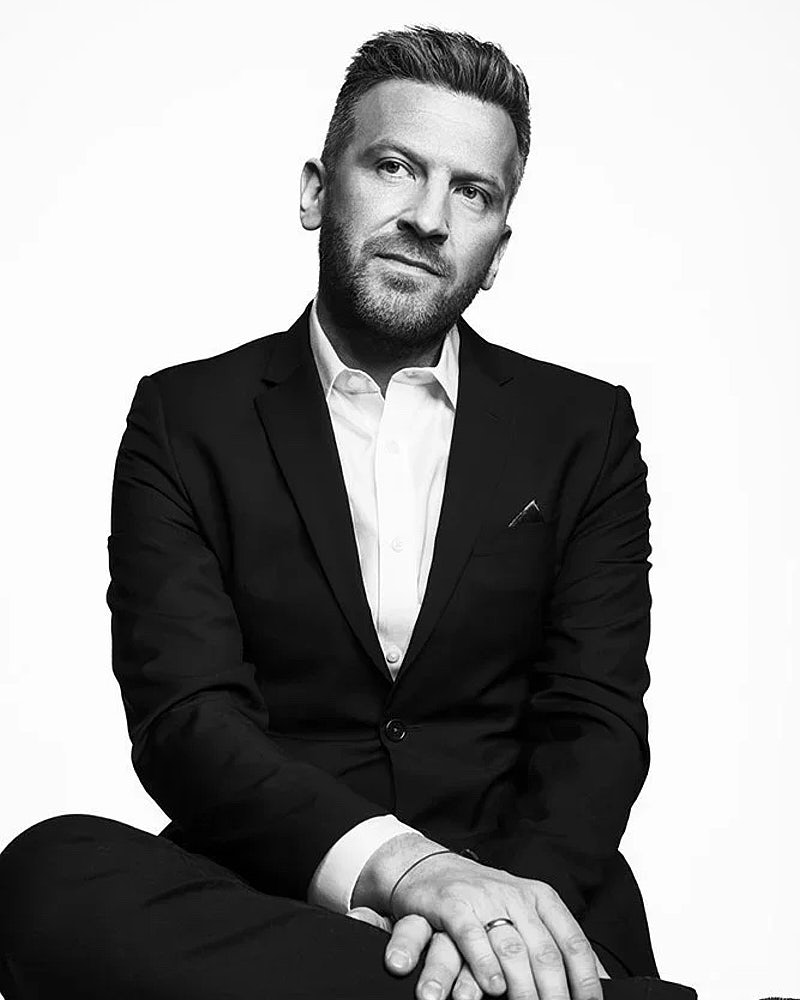
Seated theatrical actor portrait of a man in a dark suit against a clean white studio background.
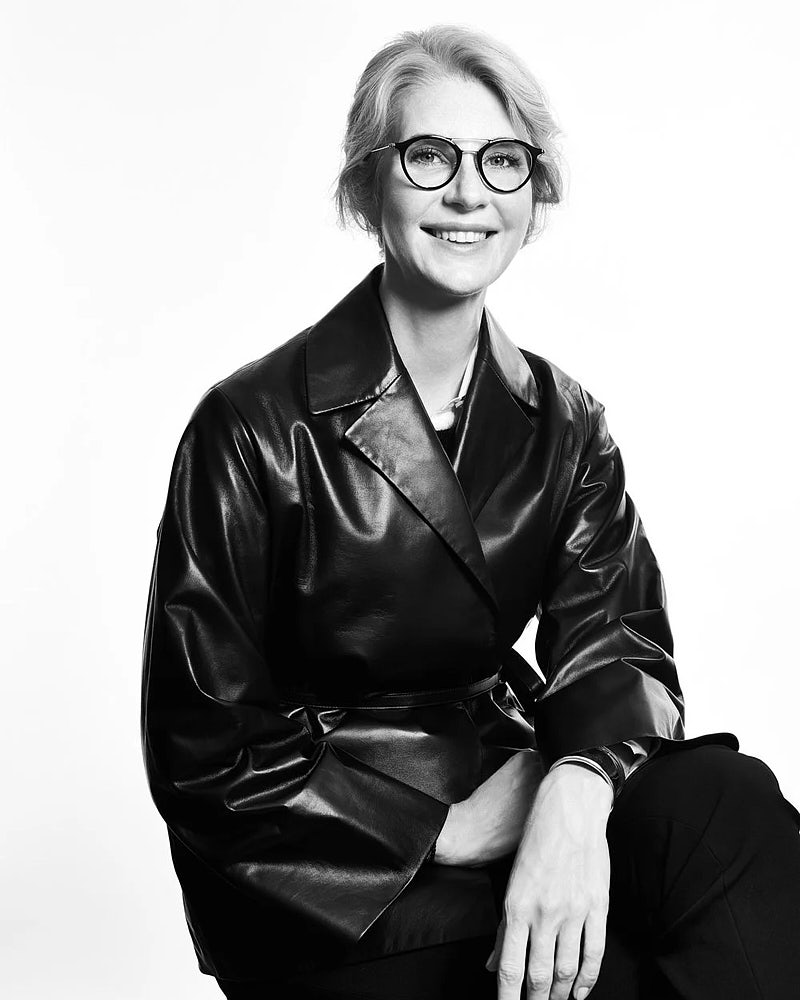
Black and white seated actor portrait of a woman in glasses and a dark leather jacket.
Smiling actor headshot of a young man photographed against a dark studio background.
Black and white close-up actor headshot of a young man with a focused expression.
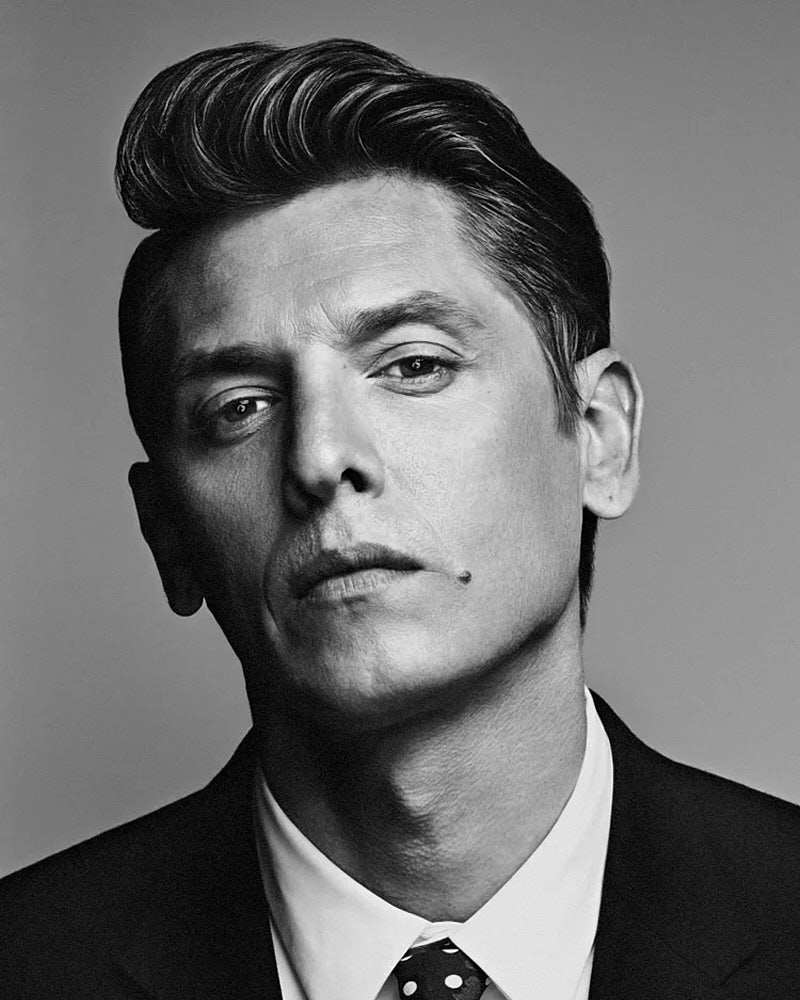
Classic black and white actor headshot of a man in a suit with a direct expression.

Common questions

How many looks do I need for actor headshots?

For most working actors, two looks cover commercial and theatrical range — a brighter, more open energy on one side and a grounded, more dramatic register on the other. Submissions, agents, and casting platforms generally use two to four images, so the Standard session (two outfits, two backdrops) is the most common starting point. The Upgraded session adds outfits and the option to shoot on location for actors who want a wider range or a third specialized look.

What's the difference between commercial and theatrical headshots?

Commercial reads as approachable, warm, and accessible — the look that books spots, lifestyle, and broader-audience work. Theatrical leans grounded, present, and more specific to character or genre — drama, prestige, indie, comedy with edge. We direct expression, posture, wardrobe, and slight lighting changes to pull both registers from the same session without making one feel like a costume of the other. The casting page should read as you, in two clear modes.

Will the retouching keep my skin texture?

Yes. Actor retouching is light and surgical — we remove temporary distractions like a blemish, a stray hair, or a wardrobe flag, and we preserve the texture, lines, and asymmetry that make the face yours. Casting directors and managers see hundreds of overprocessed images a week and they recognize the look immediately. Plastic retouching makes the headshot read as someone else when you walk into the room.

How fast can I receive the files?

Retouched finals are typically delivered within 24–48 hours of your gallery selection — retouched carefully and fast enough to keep your submissions current. If you have a hold, an audition, or a manager deadline, mention it on the form and we'll confirm the timeline for your session date. We don't promise turnaround timelines we can't honor.

What should I wear and bring?

Two to four solid options in colors that hold up next to your skin and don't compete with your face — think a neutral henley or tee, a clean shirt or blouse, a darker piece for theatrical, and a jacket if it fits your range. Avoid logos, busy patterns, jewelry that pulls focus, and anything brand new. Bring grooming basics for touch-ups; full hair and makeup is on you to arrange.

Can we shoot multiple backdrops in one session?

The Standard session includes two backdrops, which is enough to support commercial and theatrical separation. The Upgraded session includes three backdrops and the option to mix studio and on-location frames. We confirm the specific backdrops — neutral gray, warmer tone, darker dramatic, or natural outdoor — after the inquiry, based on what your reps and casting profiles actually use.

Book actor headshots in Los Angeles

Availability, location format, and final scheduling are confirmed after inquiry.

  • The Los Angeles studio of Match Production — 12+ years, 8,000+ headshots, 400+ companies, 5.0 rating.
  • Retouched finals typically within 24–48 hours.
  • Unlimited usage rights on every set.

Ready when you are

Book actor headshots