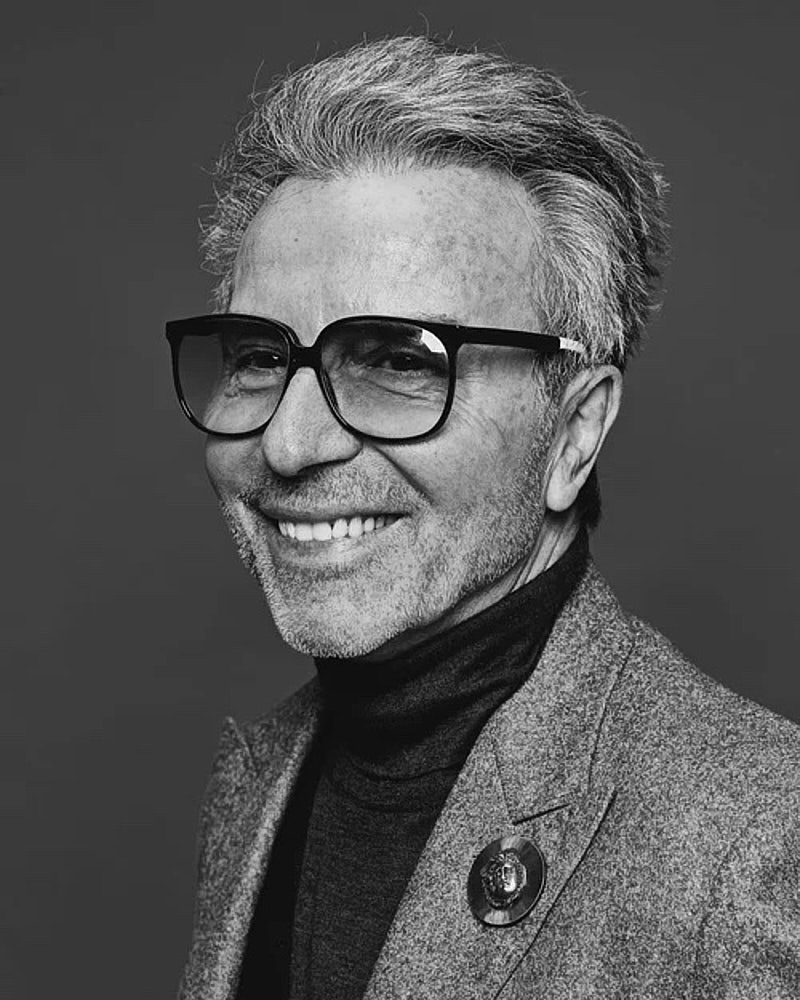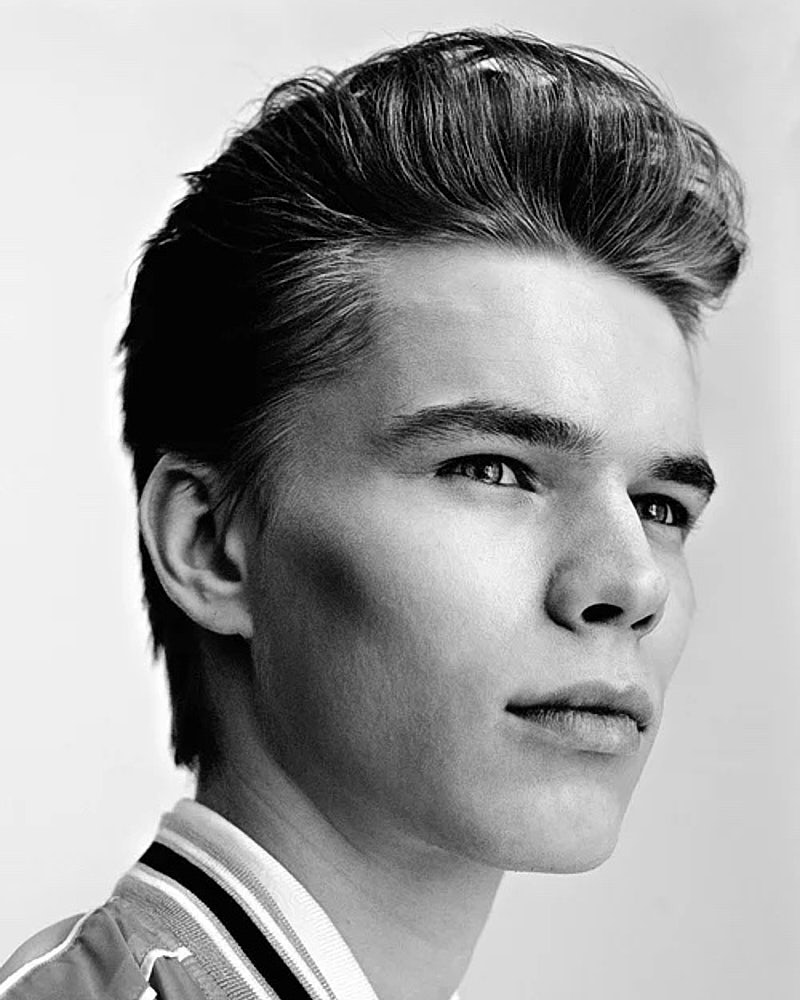
Commercial and theatrical are the two registers most actor headshots fall into. They’re not careers in themselves — they’re shorthand for how the image reads when a casting director scrolls past it. This guide explains the difference in concrete terms: expression, wardrobe, lighting, and what a session needs to do to cover both without producing one image twice.
Corporate headshots vs acting headshots: what’s the difference?
Corporate headshots sell trust in a business context — clean, consistent, and aligned with a company’s brand. Acting headshots sell castability — they show range, type, and personality for casting directors, which is why the two formats are lit, framed, and retouched differently.
How do commercial and theatrical headshots compare?
Commercial reads as warm and accessible; theatrical reads as grounded and specific. The difference shows up across expression, lighting, wardrobe, and background — summarized below, then explained section by section.
| Aspect | Commercial | Theatrical |
|---|---|---|
| Reads as | Approachable, open, accessible | Grounded, present, specific |
| Expression | Genuine warmth, a soft openness | More neutral, contained, thoughtful |
| Lighting | Cleaner, brighter | More contrast, often darker |
| Wardrobe | Solid colors, simple textures | Texture and layers that suggest a register |
| Background | Lighter, less moody | Darker, sometimes environmental |
| Best for | Commercials and friendly, relatable roles | Drama, character, and genre roles |
1. What casting needs from a headshot
Casting directors look at hundreds of headshots a week. The image has to communicate face, energy, range, and specificity in the seconds before someone scrolls past. The headshot is a shortlist tool, not a portfolio piece. That informs every other decision below.
2. What does a commercial headshot communicate?
A commercial headshot reads as approachable, open, and accessible. The energy is the version of you that walks into a meeting and a room warms up a little. Lighting tends to be cleaner. Expression usually carries some genuine warmth — not a grin, but a softness. Wardrobe runs toward solid colors, simple textures, and a backdrop that doesn’t crowd the face.
Commercial doesn’t mean smiling. It means accessible. Plenty of strong commercial headshots are direct and quiet.
3. What does a theatrical headshot communicate?
A theatrical headshot reads as grounded, present, and specific to a genre or character. The energy is more contained. Lighting can carry more contrast. Expression is usually more neutral, more thoughtful, sometimes more guarded. Wardrobe leans toward what the character types you read for would wear — texture, layers, colors that suggest a specific register.
Theatrical doesn’t mean serious for the sake of serious. It means specific.
4. Why range matters, but not random expression
Range is having two clear registers in your gallery. Random expression is having ten frames where you tried something different in each one. Casting wants to see that you can move between commercial and theatrical when you walk into the room — not that the photographer can produce a wide variety of facial poses.
Two looks, both clear, beats six looks that blur into each other.
5. Wardrobe and background differences
Commercial wardrobe is usually closer to “you, on a good day, dressed for a friendly meeting.” A clean knit, a soft button-down, a simple top. Backgrounds run toward lighter, less moody.
Theatrical wardrobe leans into texture and specificity — a worn jacket, a layered look, something that suggests context without becoming a costume. Backgrounds run darker, sometimes more environmental. The point isn’t that one is “better lit” — it’s that the lighting choice supports the register.
6. Retouching for actor headshots
Retouching for actors should be lighter than retouching for press or corporate work. Temporary distractions go — a blemish, a stray hair, a wardrobe flag. Texture, lines, and the asymmetry that make your face yours stay. Casting recognizes overprocessed images and trusts them less. We don’t ship images that won’t match the actor who walks into the audition room.
7. How many looks should you plan?
For a standard actor session, two looks — commercial and theatrical — is the strongest starting point. One outfit, one lighting setup, one background per look. A third “wildcard” can work for actors whose castings cover a wide range (period work, comedy, drama), but only after the first two registers are dialed in.
The actor headshots page covers the session packages built around this two-look-plus-optional-third structure.
8. Related actor session options
- Actor headshots in Los Angeles — the service, with directed commercial and theatrical sessions
- Studio and on-location headshots — the format comparison if you want to shoot somewhere other than a studio
- Pricing — individual session packages
- Portfolio — examples of recent commercial and theatrical work
Frequently asked questions
What is the difference between commercial and theatrical headshots? A commercial headshot reads as approachable and accessible, with cleaner lighting and simple wardrobe; a theatrical headshot reads as grounded and specific to a genre or character, with more contrast and texture.
Can one session cover both commercial and theatrical? Yes. A standard actor session is built around two clear registers — one commercial look and one theatrical look — each with its own wardrobe, lighting, and background, rather than one look shot twice.
How many headshot looks do actors need? Two is the strongest starting point: one commercial and one theatrical. A third “wildcard” look helps actors whose castings span a wide range, but only after the first two registers are dialed in.
Should actor headshots be heavily retouched? No. Retouching for actors stays light — temporary distractions go, but texture, lines, and the asymmetry that make your face yours stay, so the image matches the actor who walks into the room.