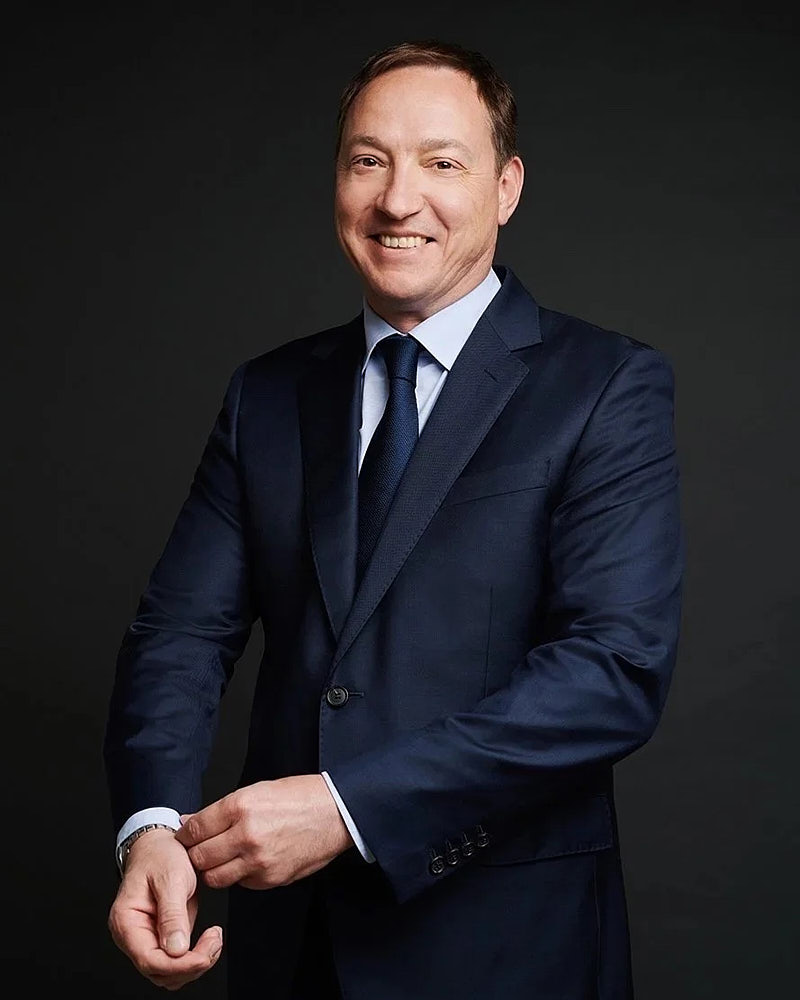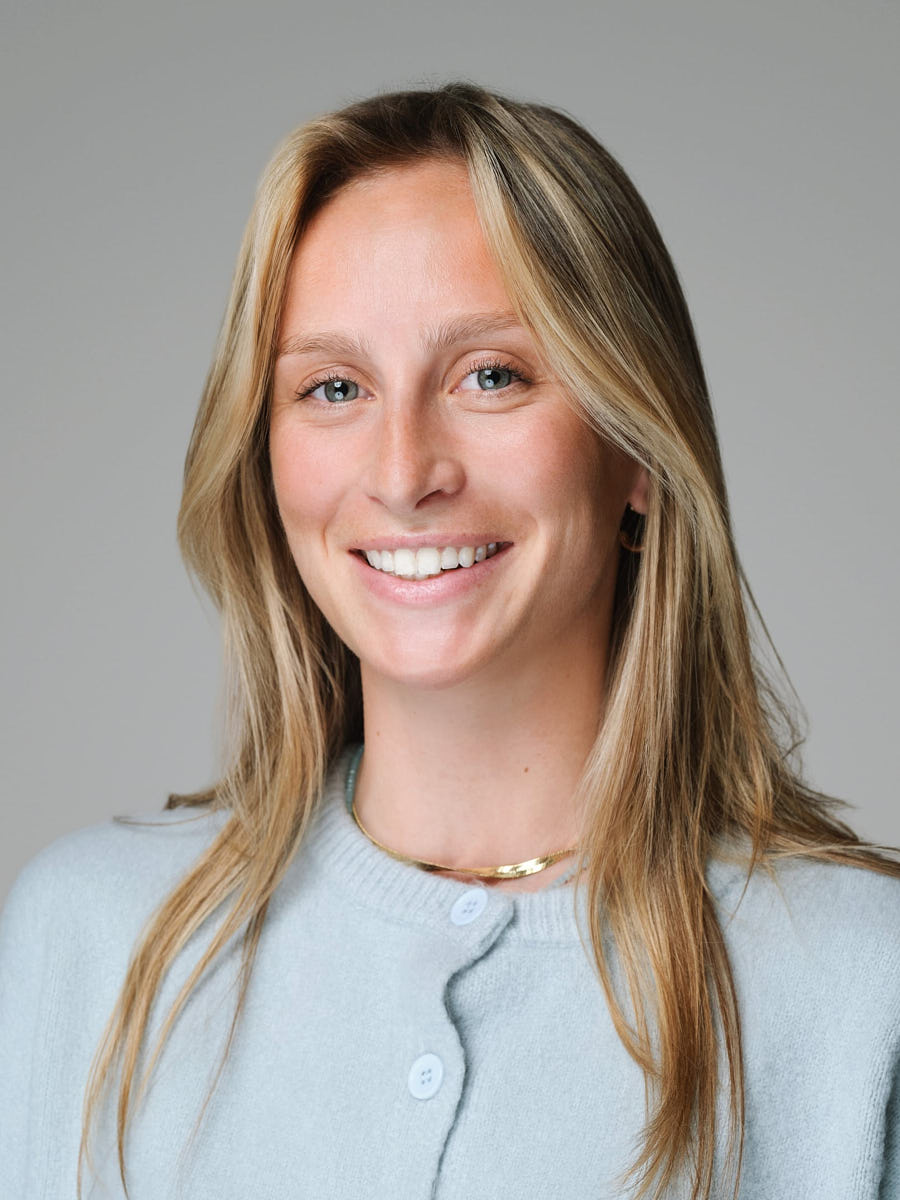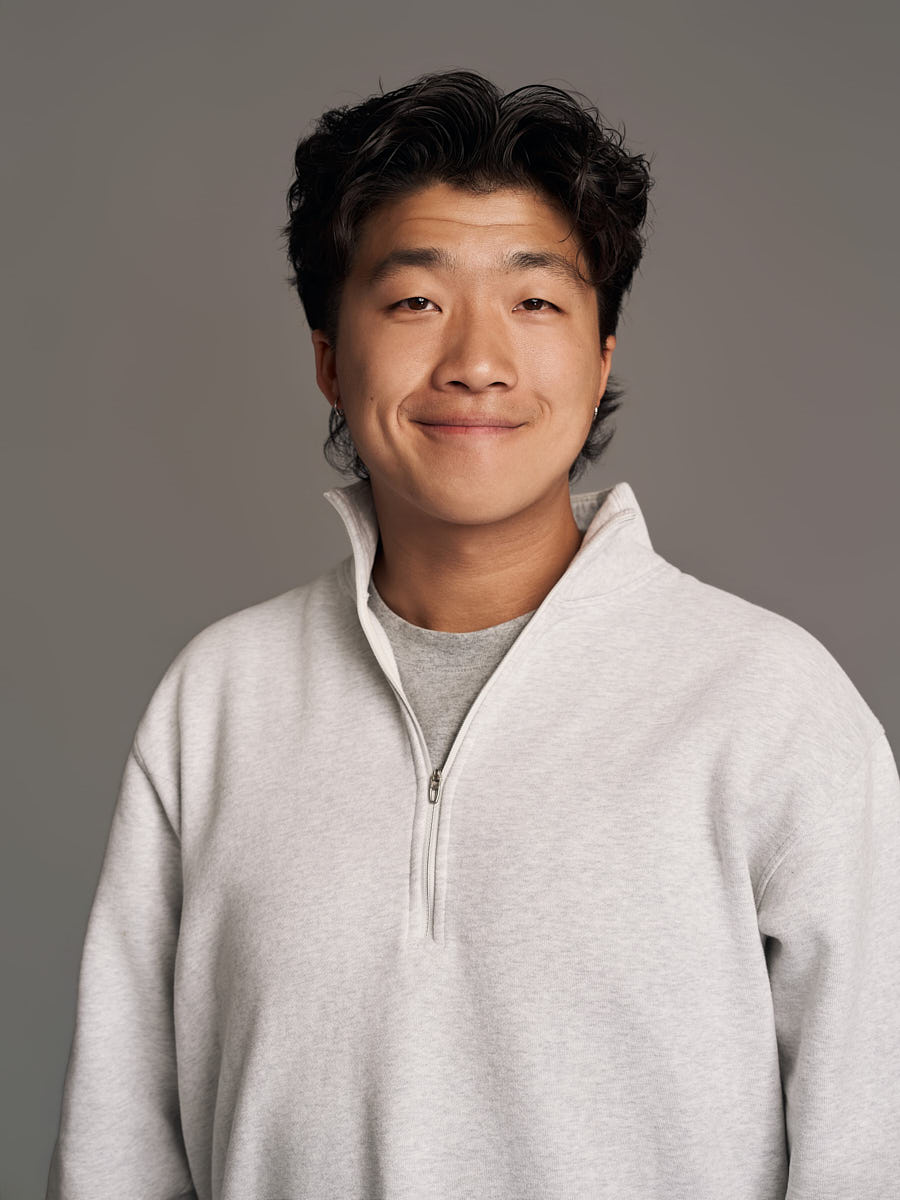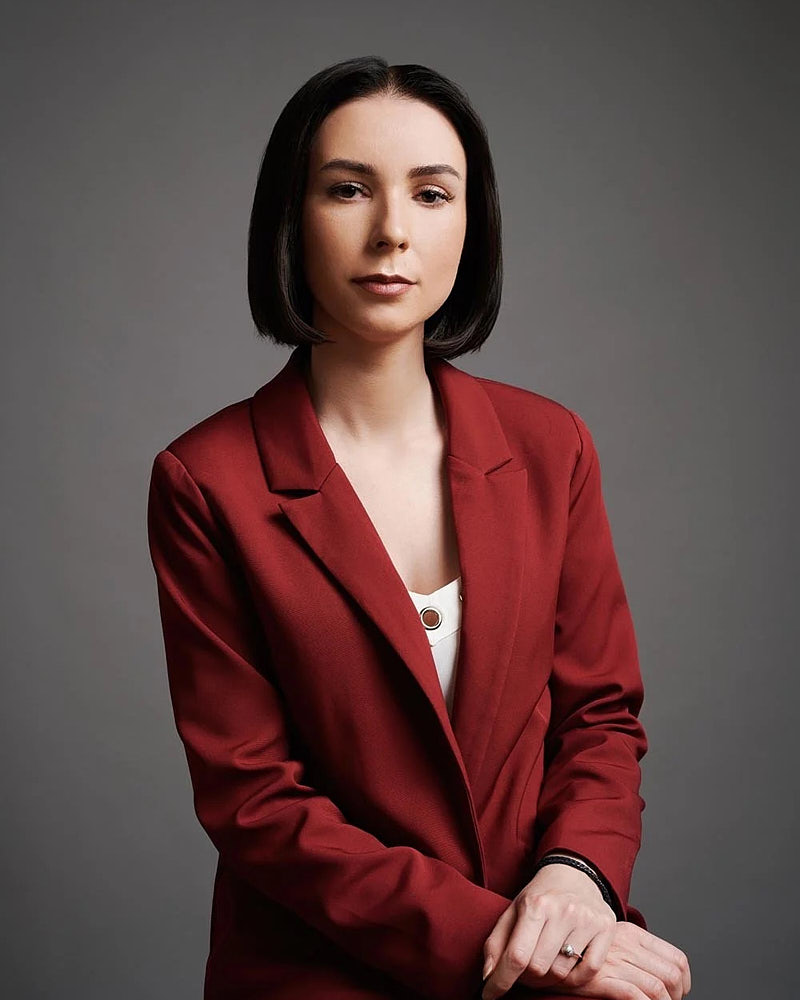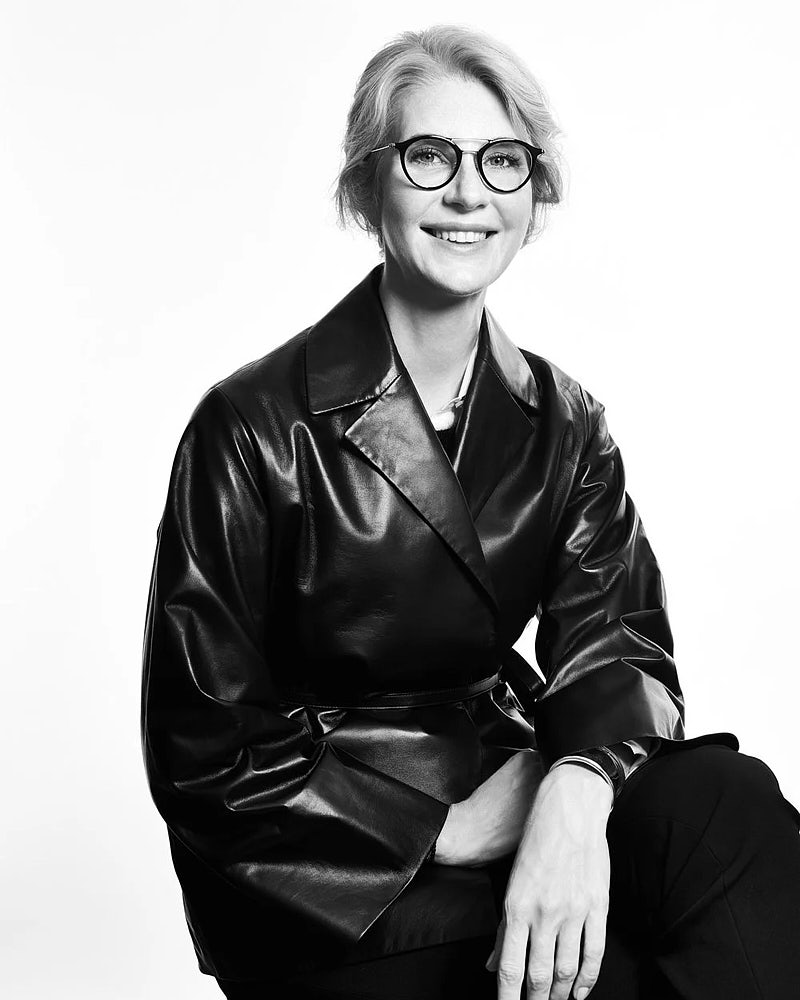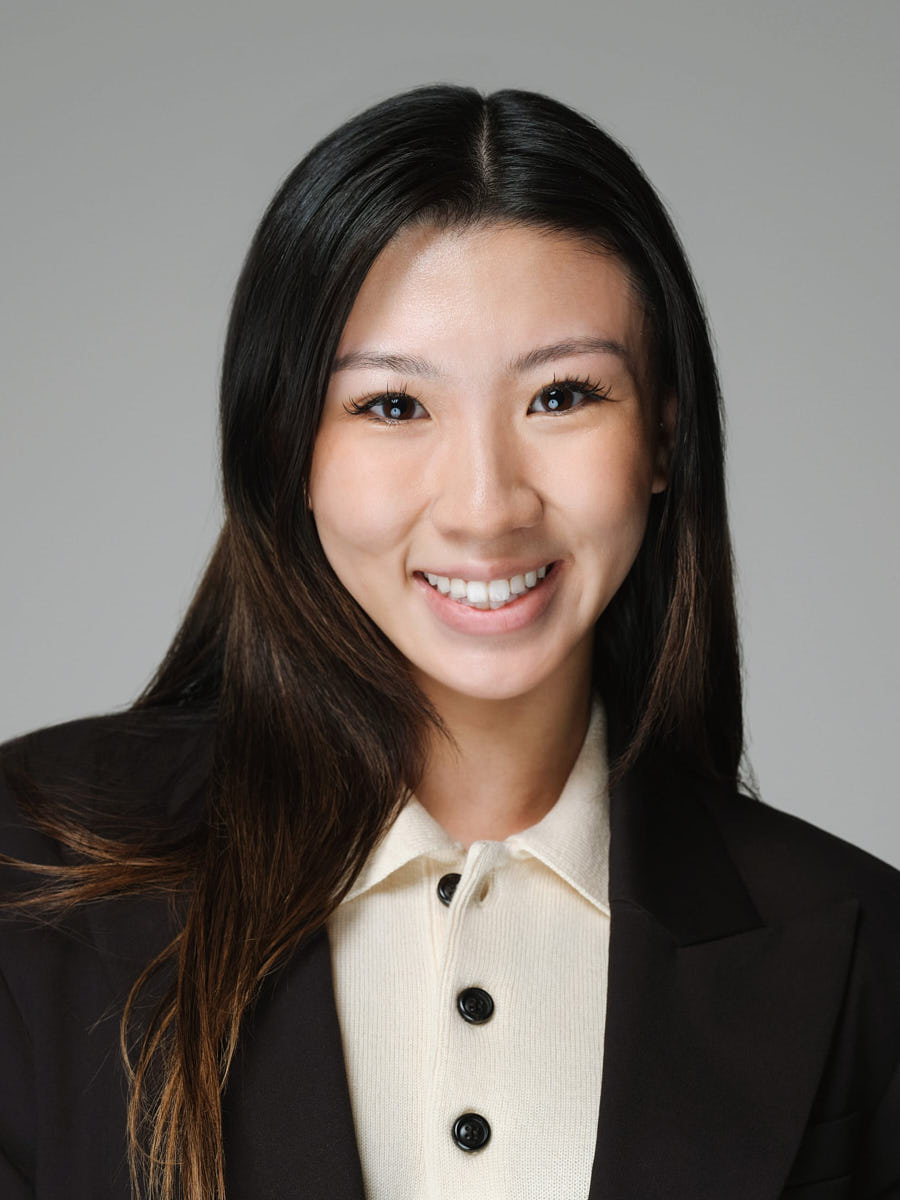
Pack complete, well-fitting outfits that match the agreed formality and booked looks. Test the neckline, jacket, glasses and accessories together. Bring a small care kit and protect clothing in transit.
This is a packing and final-fit guide for someone preparing to be photographed. If you are still choosing colors or deciding how formal to look, start with the corporate and LinkedIn wardrobe article. The portfolio photographs are illustrative wardrobe references, not rules every participant must copy.
Step 1: Match the bag to the booked looks
Check the confirmation for the number of outfits or wardrobe changes. Prepare a complete combination for each agreed look. Include jacket variations in the planned scope.
For a company portrait, ask for the shared brief and background reference. A coordinator should explain the expected formality without requiring everyone to own the same clothes. For an individual profile, use the role and audience you discussed with the photographer.
Set aside the priority outfit first. Label additional combinations so an appointment is not spent deciding which pieces go together. Avoid packing every item you might wear at work.
Step 2: Check fit in the positions you will use
Try clothing standing and seated, with arms relaxed and with a slight body turn. Inspect collars, shoulder seams, lapels, sleeves and the way a neckline moves. Confirm that the base layer remains covered where you intend it to be.
Take a quick photograph in ordinary light to check the combination, rather than relying only on a mirror. Look for visible underlayers, accidental gaps and clothing that requires constant readjustment. Choose a workable replacement before the session if a garment does not fit comfortably.
A small adjustment in posture is normal during photography. The outfit should allow it without pulling, opening or restricting movement.
Step 3: Prepare contrast, texture and accessories
Hold the outfit against the proposed background reference. The face should remain easy to find in the crop. Very small repeated patterns, large text or reflective accessories deserve a camera check because they can compete with the portrait.
This is a practical check, not a ban on color, texture or jewelry. A brand photograph can intentionally use a strong outfit; a compact company biography may need something quieter. Decide that in the brief, rather than removing every personal detail at the last moment.
Lay out earrings, a tie, glasses and other visible items with the clothing. Bring only the pieces you intend to use. Clean glasses carefully and check that the frame sits comfortably before leaving.
Step 4: Pack a small preparation kit
Use the following list as a packing aid. Keep it appropriate to your needs and the location; it is not an instruction to buy products or use unfamiliar grooming treatments.
| Item | Practical reason |
|---|---|
| Complete outfit on a hanger | Reduces last-minute decisions and creasing |
| Lint roller or clothing brush | Helps with visible lint on dark fabric |
| Glasses cloth | Removes marks from familiar frames |
| Comb or usual hair tool | Supports small adjustments to your normal style |
| Spare agreed base layer | Provides an option if something becomes marked |
| Reference and confirmation | Keeps the visual brief and arrival details together |
Check shoes if the brief includes wider or full-length frames. They may not appear in a tight headshot, but an environmental composition can change that. Ask before bringing a separate suitcase for an unconfirmed setup.
Step 5: Protect the clothing during travel
Steam or press items beforehand according to their care instructions. Give them enough space in a garment bag and avoid folding the main jacket tightly into a backpack. Keep makeup, food and drinks away from the selected clothes during transit.
If you travel in one of the outfits, allow for a final lint and collar check on arrival. Confirm whether the booked location has a suitable place to change rather than assuming a private dressing room is included. On-location access and changing arrangements should be settled before the day.
The general session preparation guide covers references, practical needs and arrival planning beyond the wardrobe bag.
Step 6: Make a final check before capture
Put on the complete priority outfit, clean the glasses and check the collar, lapels and hair in the first setup. Tell the photographer if you are unsure about a detail; a test frame is more useful than repeatedly guessing in a mirror.
For a team day, bring the employee instructions and arrive ready for the scheduled slot. Avoid introducing an entirely different outfit or background request after the shared brief has been agreed. The corporate coordinator checklist explains what the organizer should confirm in advance.
Keep the remaining options accessible and let the photographer guide the order.
Make a two-part packing note
Keep the agreed clothes and a small care kit together. Use a separate arrival note for the address, changing arrangements and contact.
| Bag check | Arrival check |
|---|---|
| Complete priority outfit and approved alternatives | Confirmed address and appointment instructions |
| Clean glasses and intended accessories | Where clothing can be changed, if needed |
| Hanger or garment bag and familiar care items | Contact for access or travel problems |
If the clothing choice itself remains undecided, return to the LinkedIn and company wardrobe guide. This checklist starts after the intended looks are agreed.
Frequently asked questions
Should I wear glasses in my headshot?
Bring clean glasses if they are part of your normal appearance. The photographer can check glare, camera angle and expression with them on. A version without glasses is a separate preference to agree, rather than a general requirement for a professional portrait.
Should I bring a backup outfit?
Bring a practical backup for a clothing problem and keep the agreed complete looks ready. Check the booked allowance before treating another outfit as an additional photographed look. A spare base layer can solve a mark or fit problem without changing the entire brief.
Is a place to change clothes included?
Confirm the changing arrangements for the actual location before packing several outfits. A private room is not established by this checklist. Keep the priority outfit ready and ask the booking contact where the remaining clothes can be stored and changed.