Choose acting headshot clothes around the looks you need now, keeping attention on your face and current appearance. Give each outfit a clear purpose, check fit in a close crop and bring useful alternatives. A look should suggest a casting direction without turning the headshot into a costume photograph.
Define the missing looks before picking clothes
Review your current headshots and any notes from your representative. Identify what needs updating: a more current appearance, a different level of formality, or an additional look suited to the work you are pursuing.
Write a brief description for each planned look. “Open, everyday commercial option” and “more reserved professional option” give wardrobe a purpose. Avoid assuming one outfit will secure a particular role or that a photograph can guarantee casting attention.
If you are starting without representation, choose a small set that reflects how you realistically want to be seen. You can discuss the plan with the photographer; you do not need to arrive with a fixed posing routine.
Make the differences purposeful, not just colorful
Two similar shirts in different colors may create variation within one direction. They do not automatically provide two distinct casting looks. A change in layer, neckline or formality can matter more than another shade of the same garment.
| Planned direction | Clothing to compare | What to avoid assuming |
|---|---|---|
| Everyday and approachable | A simple, comfortable base layer | That brighter automatically means commercial |
| Professional or more formal | A fitting jacket, shirt or blouse | That every actor needs a suit |
| More reserved or dramatic | An outfit suited to that direction | That dark clothes alone create a theatrical look |
| Specific missing image | A clear choice based on current needs | That every session needs maximum looks |
These are planning suggestions, not casting categories assigned to you. Expression, framing and direction also change the result.
Treat commercial and theatrical labels as brief details
Use the commercial-versus-theatrical guide to define the look before choosing clothes.
Commercial and theatrical headshots may be discussed with different goals, but wardrobe should follow your representative’s actual instructions and your own needs. A smile is not compulsory for every commercial frame, and an unsmiling expression does not automatically create a useful theatrical portrait.
Choose clothing that helps the intended direction while keeping the person central. Literal uniforms, elaborate props or costume-like styling can be unnecessary when the requirement is a flexible headshot. If a specific submission asks for something different, confirm that brief separately.
Check necklines, layers and fit in the frame
Try the outfit seated and standing. Check collar position, pulling fabric, wrinkles and anything you keep adjusting. Make sure a jacket and base layer work together. Bring complete combinations rather than loose items that have never been tried as an outfit.
Look at the neckline in a close mirror crop or simple phone test. Large logos, strong patterns or bulky accessories may compete with the face. They are not universally banned, but have a quieter alternative available if the first choice distracts in the actual photograph.
Choose grooming that matches the appearance you intend to present. Headshots should remain recognizable, including everyday glasses, hair and facial hair where relevant. Retouching is not a substitute for planning a different appearance.
Planning example: replacing one outdated acting look
Planning example, not a client case. An actor already has two useful headshots but needs one current professional-looking option after an appearance change.
They prepare one jacket-and-base-layer combination and bring a backup shirt. They share their existing images and representative’s notes. The session concentrates on that missing direction, with expression and framing variation inside the look, rather than paying for three unrelated wardrobe changes.
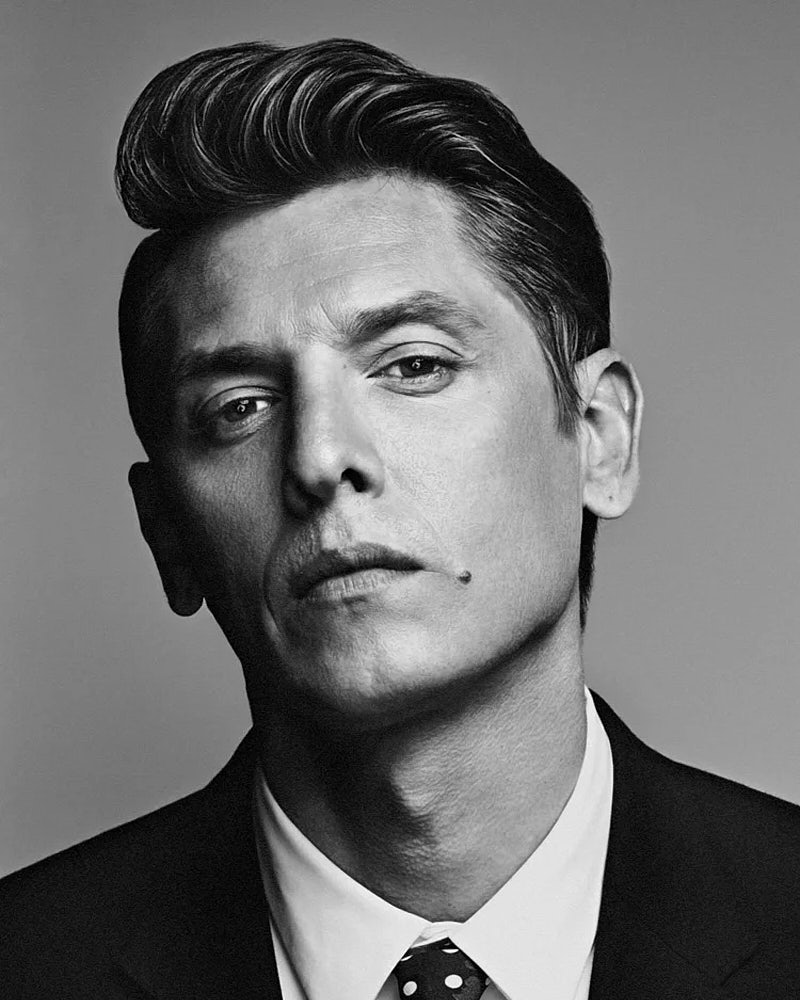
The example illustrates package choice and preparation. The portfolio photographs are visual references, not pictures of this hypothetical actor or evidence of a booking outcome.
Match wardrobe to the actor package allowance
Headshot Buro’s Actor Refresh is $399: 30 minutes, one look and two naturally retouched images. Actor Session is $549: 60 minutes, two looks and four retouched images. Actor Portfolio is $749: 90 minutes, three looks and six retouched images.
Appointment time includes changes. Hair and makeup are not included; arrive camera-ready or arrange your preferred artist separately. Compare the full actor headshot packages and discuss preparation needs before the session is confirmed.
A practical packing list is short: agreed complete outfits, useful alternatives, clean glasses, prepared layers and the reference notes. The general wardrobe checklist covers transport and fit checks.
Read wardrobe details in the actor references
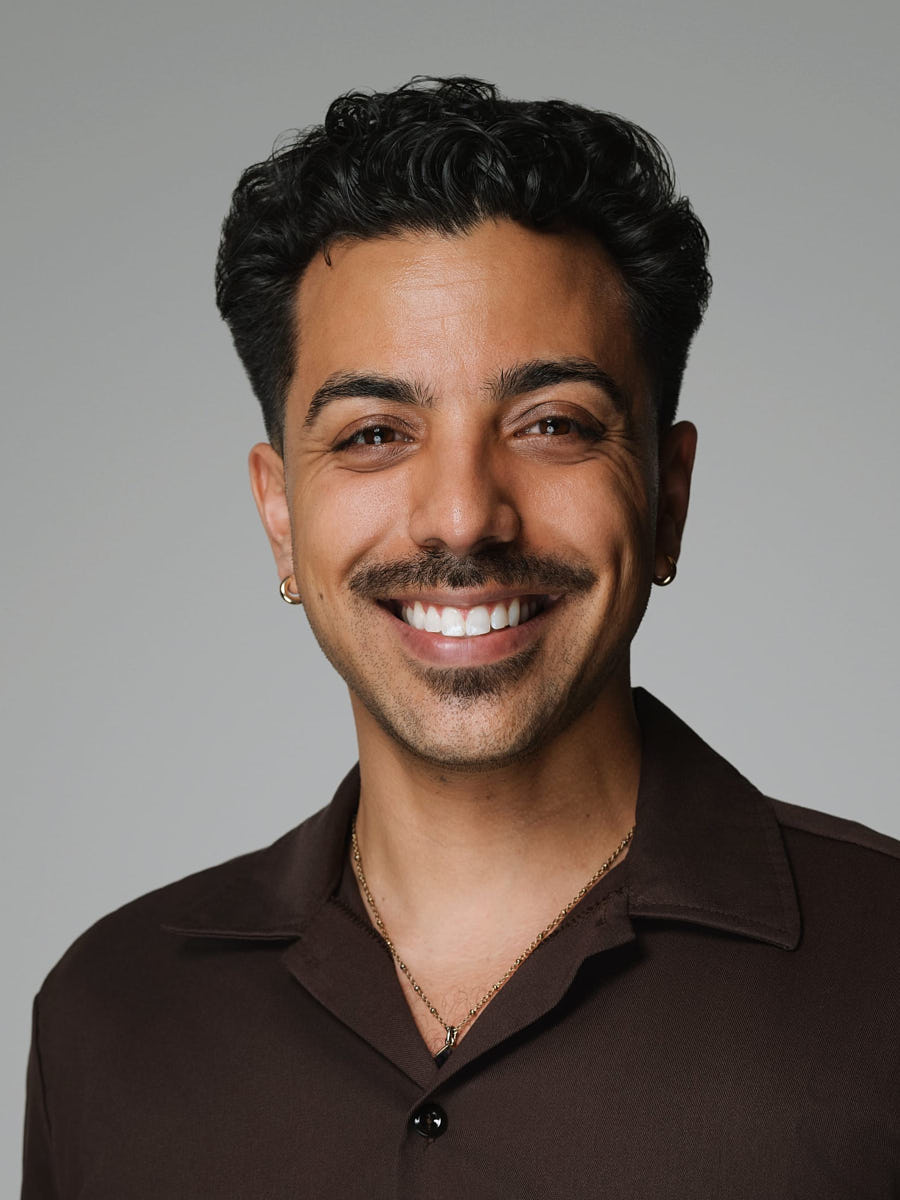
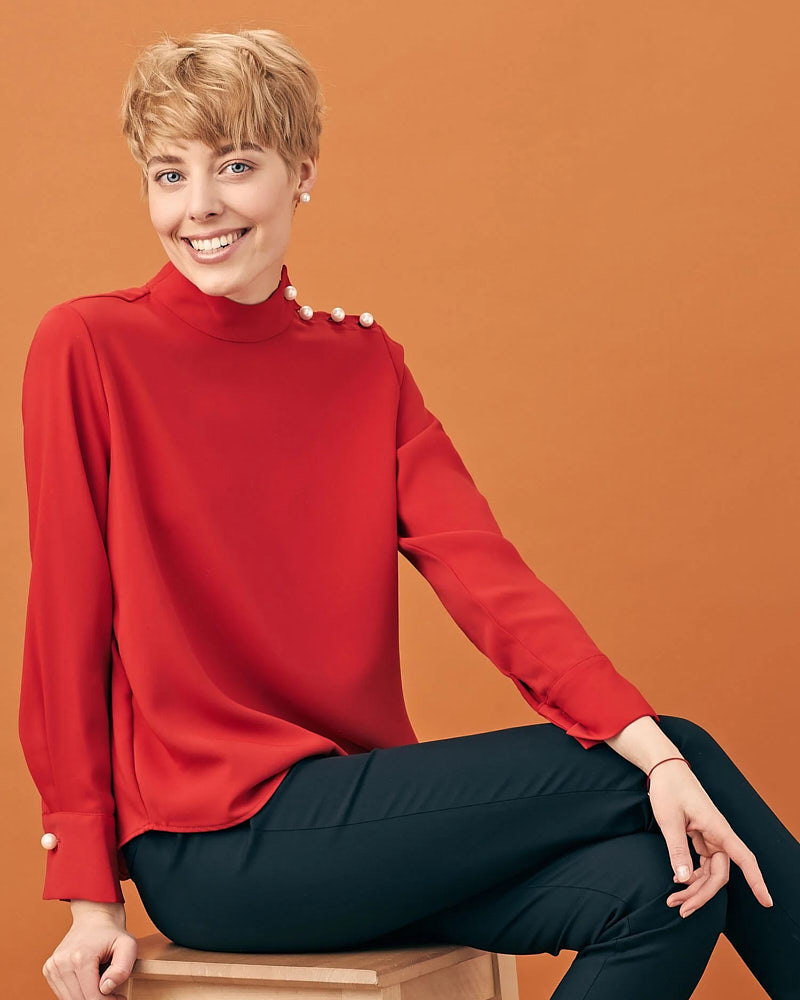
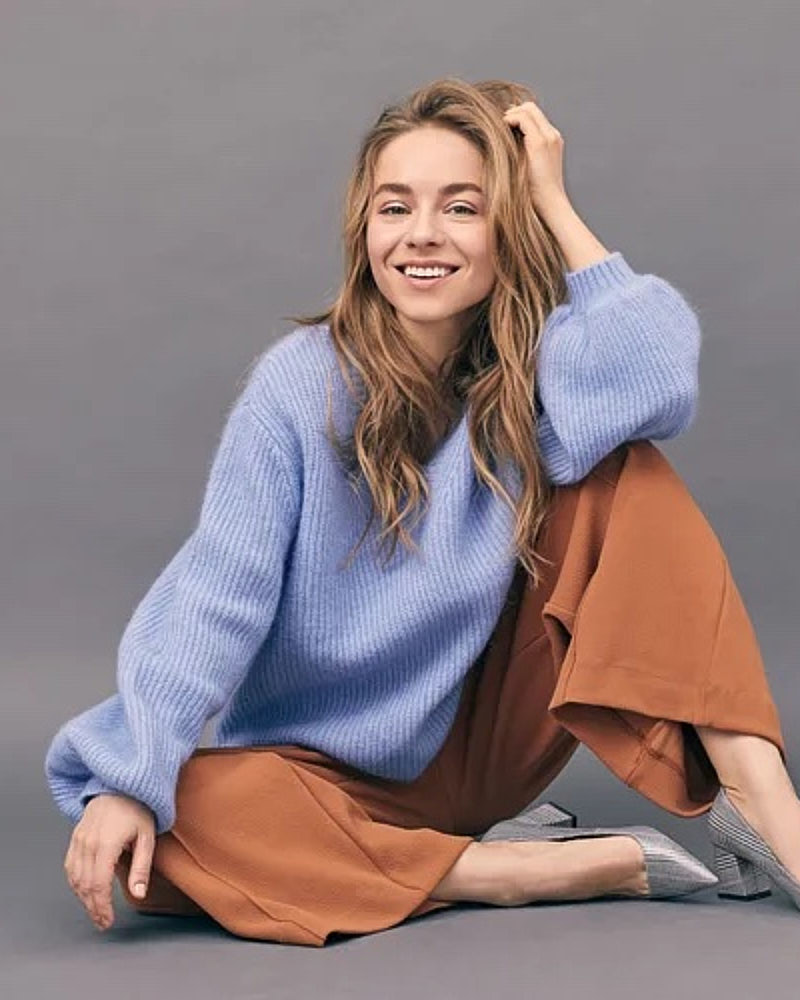
The brown-shirt reference shows a simple base layer against gray. The red-sweater reference combines stronger clothing and background color. The blue-sweater portrait shows a wider seated composition. Compare the neckline, fit and visible layers against the particular look you need.
These photographs come from the approved reference collection. The pictured people are not assigned casting types here, and the images do not establish an audition or booking result.
Questions about acting headshot outfits
Do I need a suit?
Only if it serves a planned look. A suit is not a universal acting-headshot requirement. Choose clothing that supports the direction you need and does not feel like an unrelated costume.
How many looks should I book?
Start with the missing images rather than the maximum allowance. One focused refresh can be enough; two or three looks are useful when each has a distinct purpose. Share existing photos if you need help deciding.
Should commercial and theatrical outfits be completely different?
Not necessarily. Expression, framing and direction also matter. Follow any current representative notes and make changes that genuinely support the intended look.
Can every uploaded photo use the same crop?
Check the current requirements of the casting platform or recipient. Headshot Buro’s actor packages include high-resolution and web files; mention particular export or crop needs in the inquiry. Photography does not include platform accounts or upload fees.
Use the headshot pricing guide for a broader budget comparison, then send your intended looks with the actor inquiry.