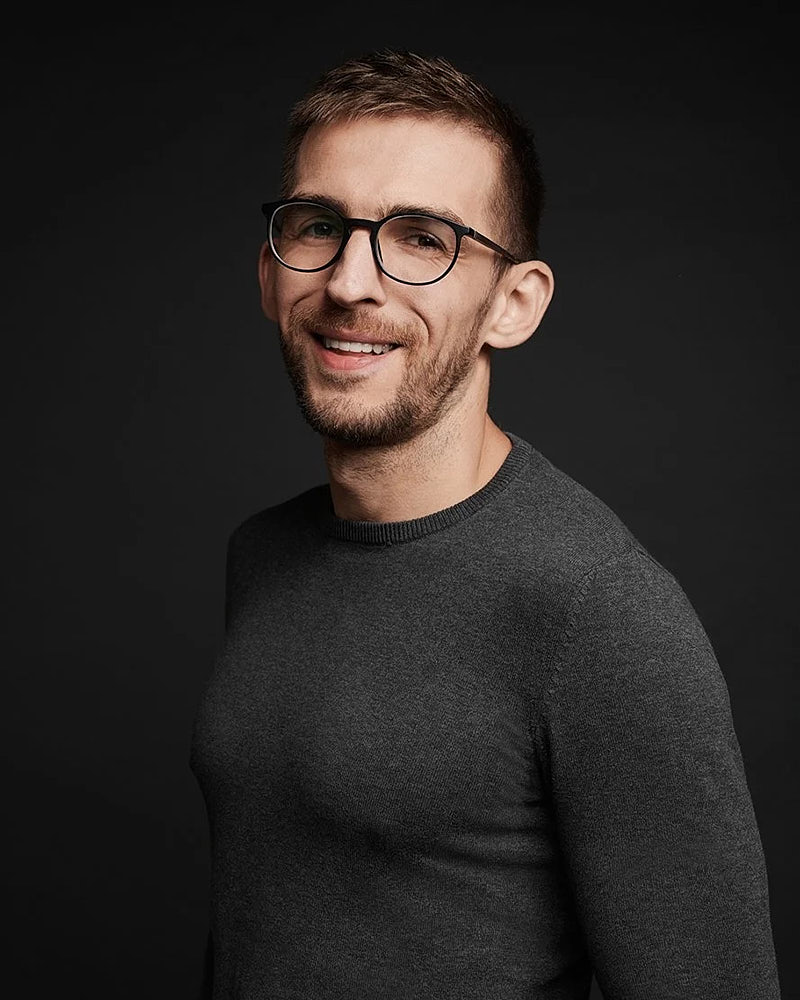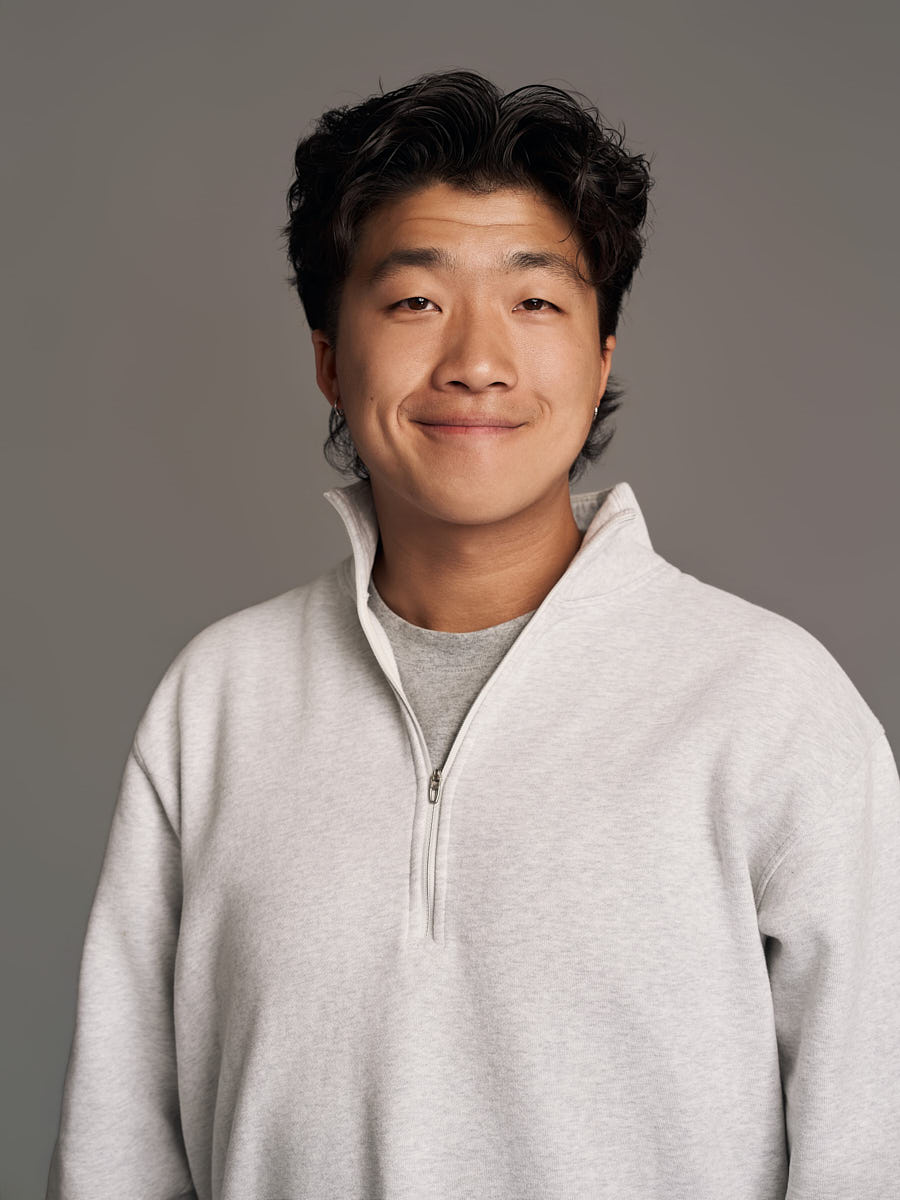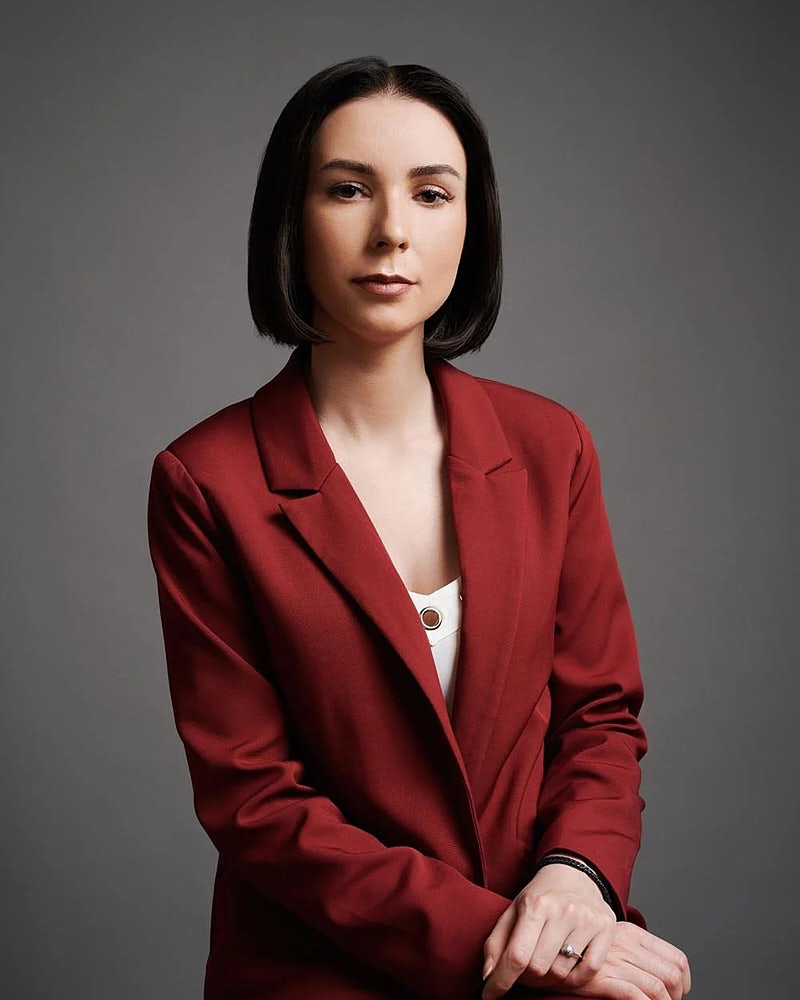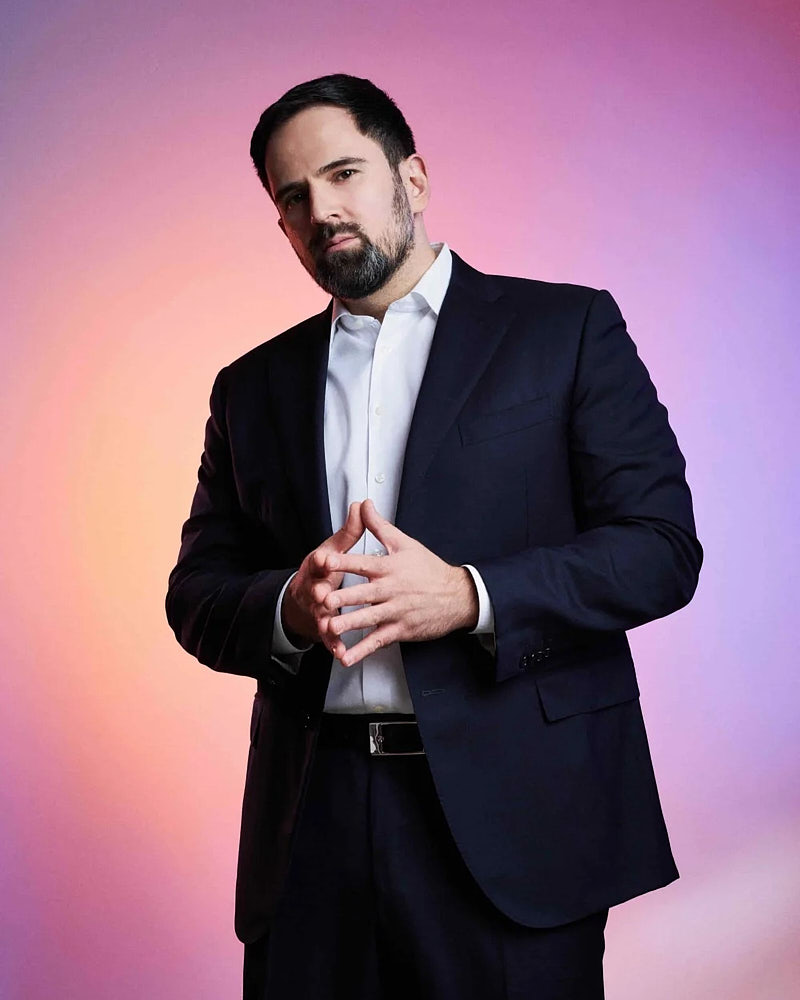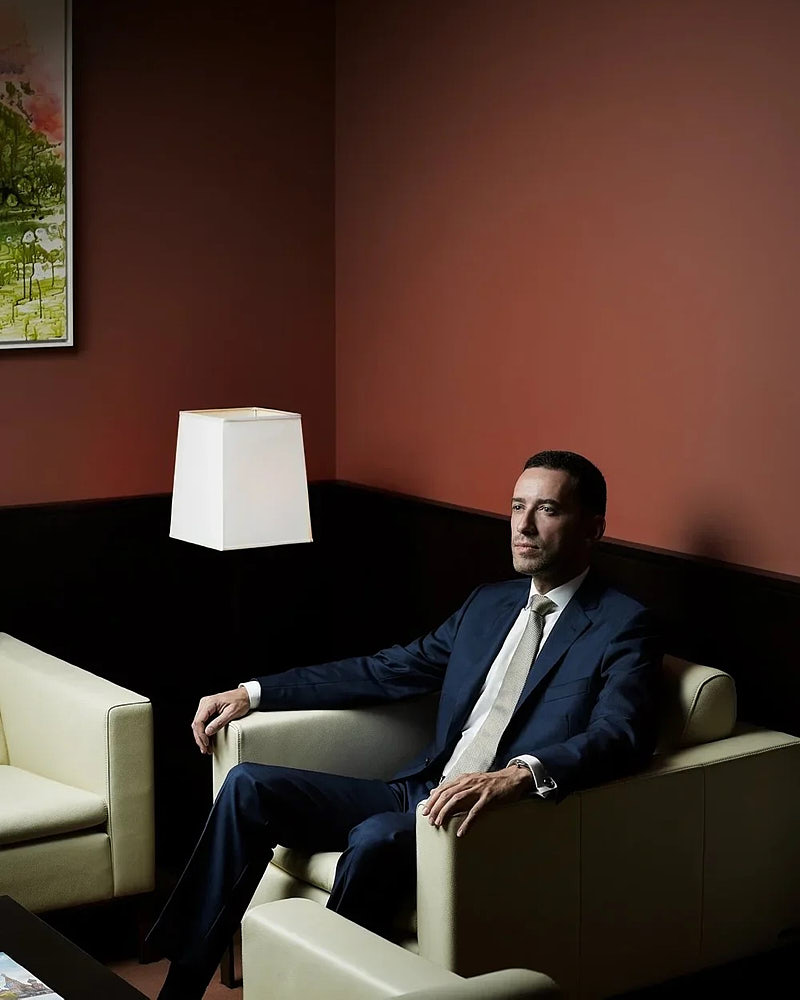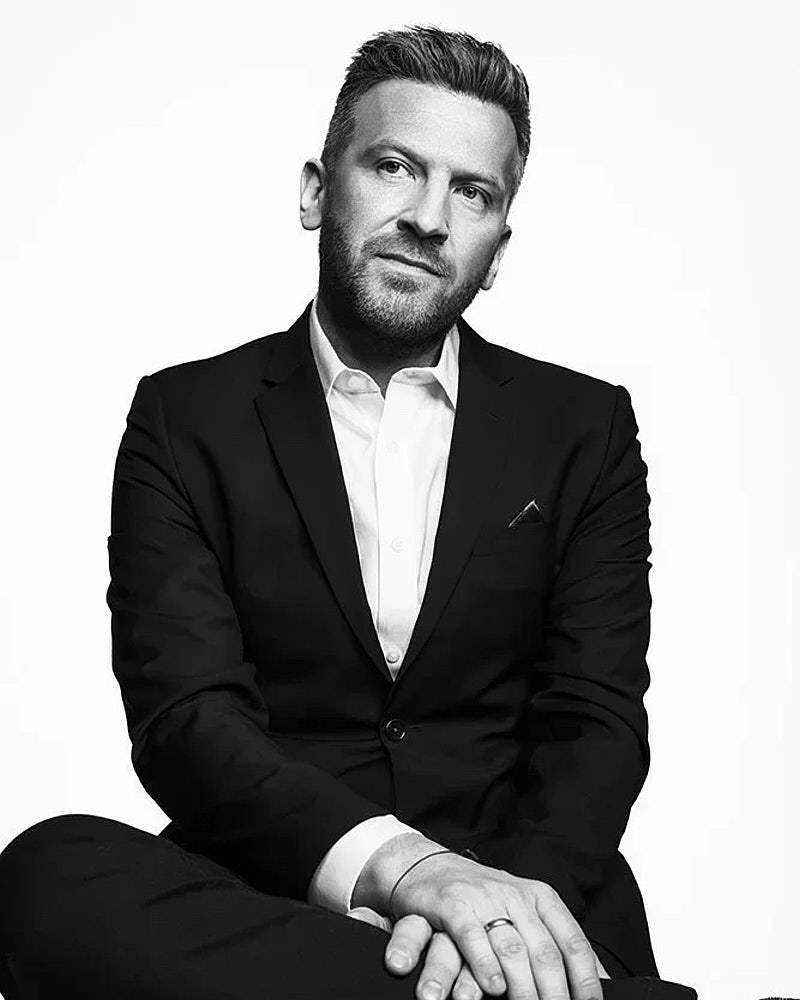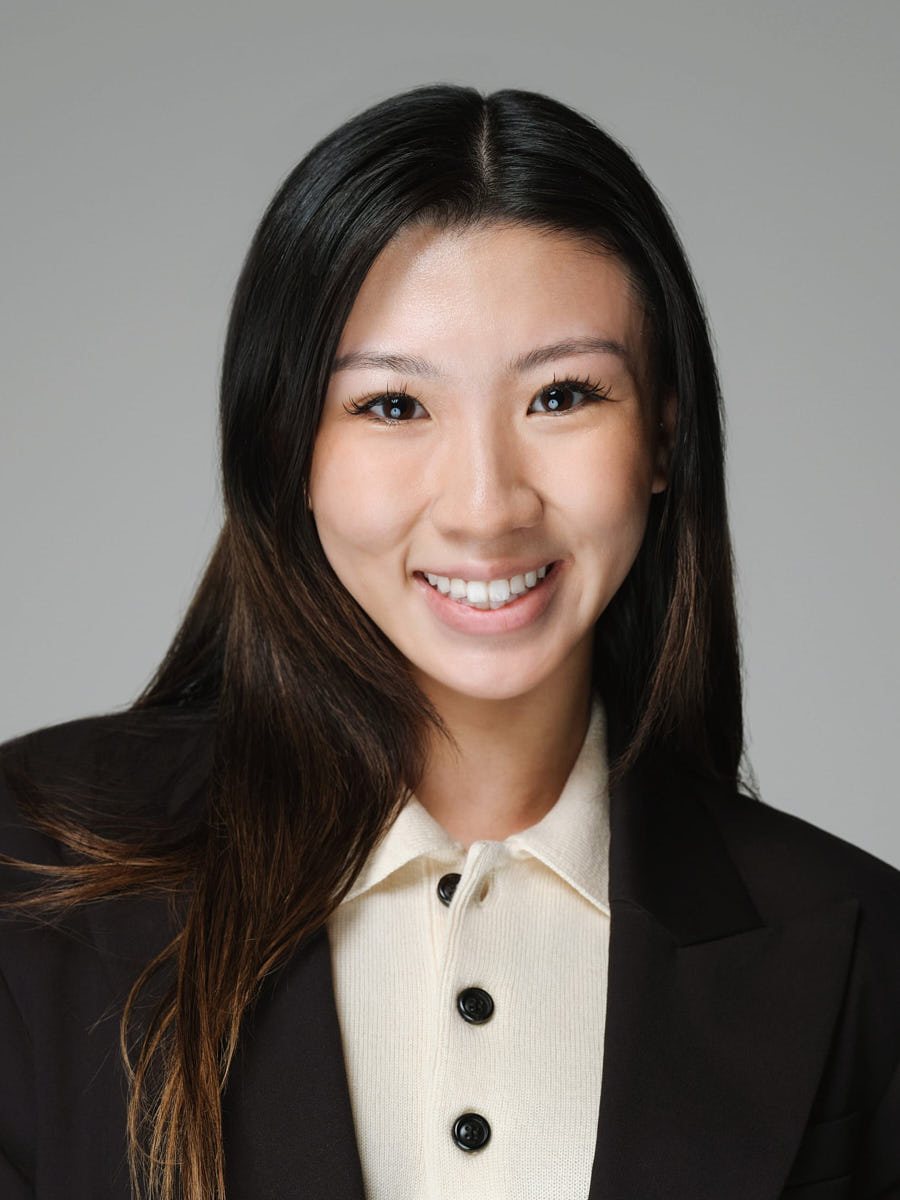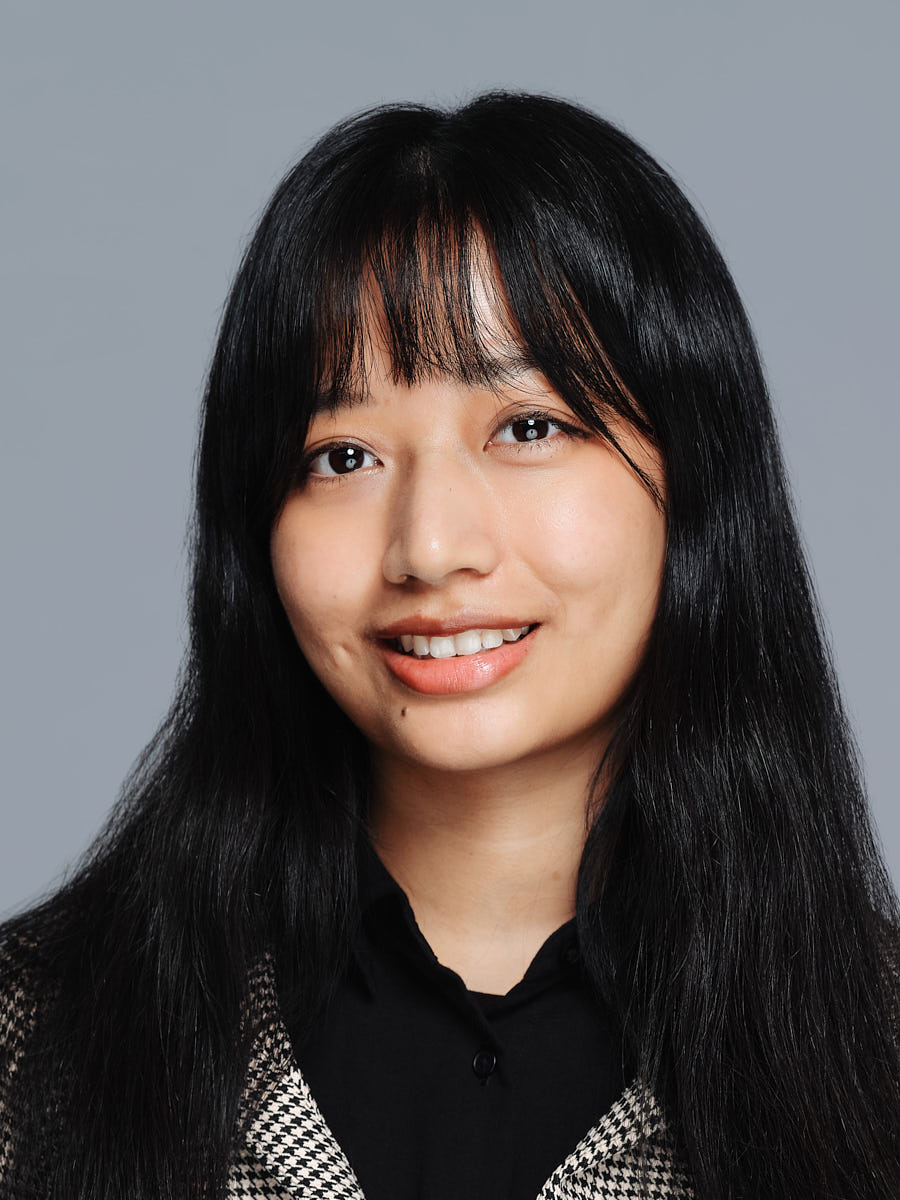
The short answer: the best business headshot poses are simple — body angled 30 to 45 degrees away from the camera, weight on the back foot, shoulders relaxed and dropped, chin slightly forward, eyes connected to the lens. Everything else is a variation on that foundation. Below are the ten poses we direct most in real sessions, the exact cues a photographer calls out for each, a comparison table, and where to go for standing headshot poses for women, plus men’s, acting, and corporate variations.
Why posing matters in a headshot
A professional headshot is usually cropped tight. That means small things become visible: chin angle, shoulder tension, eye direction, posture, and the way clothing falls around the neck and shoulders. A business headshot pose that feels almost too subtle in the room can change the entire read of the final image.
Most people do not need to memorize poses. They need direction. The camera sees posture differently than a mirror, and the difference between a stiff headshot and a natural one is rarely the pose itself — it is whether someone was directing it frame by frame.
Good posing should not make the headshot feel staged. It should remove distractions so the face, expression, and presence read clearly.
How should you pose for a professional headshot?
Turn your body slightly away from the camera, shift your weight onto your back foot, relax your shoulders down, bring your chin slightly forward, and keep your eyes connected to the lens. Let the photographer direct small changes from there rather than holding one frozen position.
That is the foundation every pose below builds on. Three mechanics do most of the work:
- Posture. Lengthen through the spine and neck, then drop the shoulders. Most people lift their shoulders without realizing it when a camera comes up, and it reads as tension in the final frame.
- The chin. The chin should move slightly forward, not up or down. It feels unnatural in the room — photographers sometimes call it the turtle — but on camera it defines the jawline and creates a more direct connection.
- Expression in steps. A good photographer guides expression in a sequence: neutral, warmer, small smile, fuller smile, more direct, more relaxed. The goal is not one perfect expression. It is a small range that gives you options for different uses.
The 10 business headshot poses we direct most
Most pose lists you’ll find in this search are illustrated with stock images or AI renders. These are the professional headshot poses our photographers actually call out in directed sessions in Los Angeles, with the cue you would hear in the room.
1. The classic three-quarter angle
Body turned 30 to 45 degrees from the camera, face turned back to the lens. This is the default professional headshot pose for a reason: it creates shape through the shoulders without looking theatrical, and it survives every crop from a LinkedIn circle to a website banner. The cue: “Feet toward the corner of the room, nose back to me.”
2. The straight-on
Shoulders square to the camera, eyes direct. Reads as maximum authority and openness — common for leadership portraits, press images, and founder pages. It is less forgiving than the three-quarter because there is no shape to hide tension in, so shoulders and breathing have to be genuinely relaxed. The cue: “Square up, exhale, let the shoulders fall.”
3. The lean-in
From the three-quarter base, hinge slightly forward from the waist toward the camera. Even an inch changes the read from passive to engaged — it is the difference between being photographed and having a conversation. Works especially well for client-facing roles. The cue: “Lean into me just an inch, like you’re interested in what I’m saying.”
4. Crossed arms
The most requested and most misused business headshot pose. Done well, it signals calm confidence; done badly, it pushes the shoulders up and closes the frame off. Keep the arms low and loose, shoulders down, and the chest open rather than compressed. Best for executive and team-page use where the crop includes the arms. The cue: “Cross low and loose — hands relaxed, not gripping.”
5. Hands in pockets
Thumbs out or one hand in, photographed at a half-body crop. It reads as relaxed, modern, and unforced — a staple for personal branding and startup team pages. The pose only works when the shoulders stay down and the jacket or top sits cleanly. The cue: “Hands in, thumbs out, then forget about them.”
6. The seated headshot
Seated on a stool or chair edge, spine long, leaning slightly forward with forearms toward the knees. Sitting drops the shoulders naturally and grounds nervous energy, which is why it often produces the most relaxed frames of a session — especially for executives. The cue: “Sit on the front edge, elbows toward your knees, then bring your eyes up to me.”
7. The over-the-shoulder look
Body turned well away from camera, face turned back across the shoulder. More editorial than corporate — it appears in acting headshots, creative-industry portraits, and personal branding sets more than on team pages. The turn has to stop before the neck strains. The cue: “Turn away, then bring just your chin back to me and stop when it pulls.”
8. The jacket interaction
One hand adjusting a lapel, button, or cuff. It gives the hands a genuine task, which is usually the entire problem with hands in a portrait — they look posed the moment they have nothing to do. Reads polished and deliberate; a reliable executive variation. The cue: “Touch the button like you just fastened it — don’t hold it.”
9. The walking frame
A slow walk toward or across the camera, shot mid-stride. Used in personal branding and environmental sessions rather than tight headshots, but the frames it produces are often the most natural of the day because the body is doing something real. The cue: “Walk to me slow, eyes up, and don’t stop smiling when you stop walking.”
10. The reset
Not a position — a correction, and the one we use most. Chin forward and slightly down, shoulders dropped on an exhale, weight shifted back onto the rear foot. Called between every few frames of any pose above, it clears accumulated tension before it shows up in the pictures. The cue: “Chin to me, drop the shoulders, breathe out.”
Standing or seated: which works better?
Standing headshot poses create energy. People hold themselves more naturally on their feet, and even in a tight crop where the body never appears, the standing posture changes the shoulders, the neck, and the expression. A strong standing setup starts with the feet offset rather than parallel, weight into the back foot or one hip, torso slightly turned, and the face connected to the camera. Arms can rest at the sides, lightly cross, or interact with a jacket edge depending on crop and style.
Seated poses trade energy for calm. Sitting on the front edge of a stool drops the shoulders automatically and grounds people who arrive tense — which is why seated frames are often the most relaxed of a session and a staple of executive portraits. The risk is the spine: seated posture collapses quietly, so the direction has to keep the back long and the lean slightly forward.
In a full session we usually shoot both. Standing frames carry LinkedIn and team headshot pages; seated frames carry editorial bios and leadership pages.
Which headshot pose should you use?
For most business portrait poses the three-quarter angle is the one to default to; the table below maps each of the ten poses to what it signals and where it works best.
| Pose | What it signals | Best for |
|---|---|---|
| Three-quarter angle | Approachable, professional | LinkedIn, company bios, every default use |
| Straight-on | Authority, openness | Executive, press, founder pages |
| Lean-in | Engagement, warmth | LinkedIn, client-facing roles, sales |
| Crossed arms | Confidence, composure | Executive, team pages with wider crops |
| Hands in pockets | Relaxed, modern | Personal branding, startup team pages |
| Seated | Grounded, senior | Executive portraits, editorial bios |
| Over-the-shoulder | Editorial, character | Acting, creative industries, branding sets |
| Jacket interaction | Polish, intention | Executive, corporate leadership |
| Walking frame | Energy, authenticity | Personal branding, environmental sessions |
| The reset | — (a correction, not a look) | Every session, between every pose |
If you only remember one: the three-quarter angle with the reset called between frames covers LinkedIn, bios, and team pages for almost everyone.
Headshot poses by audience
For women. The strongest female business headshots show ease and authority at the same time — a slight shoulder turn, a clean neckline, hair directed so it frames the face, and expression through the eyes rather than a forced smile. The full list, with mechanics for seated versus standing and how wardrobe interacts with each pose, is in our guide to headshot poses for women.
For men. Men photograph best when the pose is relaxed but structured: shoulders down, jacket sitting cleanly, body slightly angled, chin directed. Crossed arms and the seated executive lean need specific handling to avoid reading closed-off or slouched — covered pose by pose in headshot poses for men.
For actors. Casting looks for presence, not posing. The over-the-shoulder and straight-on frames carry more range, expression is directed toward specific character reads, and anything that looks like a business portrait is usually wrong. See how we direct actor headshots in Los Angeles.
For corporate teams. On a company shoot the pose is standardized so thirty people read as one team: same angle, same crop, same expression range, documented and re-applied for every future hire. That system is what corporate headshots in Los Angeles are built around.
LinkedIn headshot poses
LinkedIn headshot poses need to work small. The crop is usually tight and circular, so dramatic body language is mostly lost. Eye contact, face visibility, shoulder line, and expression matter more than anything happening below the chest.
A strong LinkedIn headshot usually has the face in the upper third of the frame, enough shoulder line to avoid a floating head, and a background that separates from clothing and skin tone. The three-quarter angle and the lean-in are the two poses that survive the avatar crop best. A slight smile often works well, but it should not feel forced.
If LinkedIn is the only use, a shorter LinkedIn headshot session may be enough. If you also need a website, launch page, or broader content set, personal branding photography in LA gives more room for the wider poses — walking frames, environmental setups, hands-in-pockets half-bodies.
Posing without a photographer in the room
If nobody is directing you — a self-timed shot, a company badge photo, a webcam frame — run the reset yourself before every few shots: chin forward and slightly down, shoulders dropped on an exhale, weight onto the back foot. Set the camera at eye level, not below, and stand far enough away that the lens does not distort your face. Then work the three-quarter angle and the lean-in, since both survive tight crops without anyone fine-tuning you.
The honest limit of self-posing is feedback. You cannot see accumulating shoulder tension or a drifting chin from behind your own camera, which is why undirected photos plateau at “fine.” If the image matters — a job search, a press page, a launch — a live-directed remote session puts a photographer on video to call these corrections in real time, wherever you are.
What to avoid
Avoid poses that work only because they look impressive at full length. A headshot crop changes everything: hands may disappear, and the body may be reduced to shoulder angle. A strong full-body pose can become awkward when cropped to a LinkedIn avatar.
Avoid lifting the chin too high, pressing the arms against the body, forcing a smile, or turning so far that the face loses connection with the camera. Wardrobe belongs to the pose too — clothing that needs constant adjusting will pull tension into every frame, so choose it deliberately using our guide on what to wear for headshots. And avoid over-retouching: a good pose is ruined if the final edit removes too much texture or makes the person look unlike themselves.
The best headshot poses are the ones you do not notice as poses. The final image should read as clear, current, and directed.
Want the direction instead of the homework?
Book a directed session at Headshot Buro — every pose on this page is called out for you, frame by frame, in the room. Backed by Match Production: 12+ years, 8,000+ headshots delivered, 400+ companies served, and a 5.0 average rating.
FAQ
What is the most flattering pose for a headshot? The most flattering headshot pose is usually a slight angle to the camera, relaxed shoulders, a long neck, and expression directed through the eyes rather than a forced smile. The exact pose depends on face shape, clothing, crop, background, and how the image will be used.
How should I pose for a professional headshot? Start by turning the body slightly away from the camera while keeping the face connected to the lens. Shift weight into one foot, relax the shoulders, keep the chin level or slightly forward, and let the photographer direct small changes in posture and expression.
What is the best pose for a LinkedIn headshot? The three-quarter angle — body turned 30 to 45 degrees with the face back to the lens — survives the circular avatar crop best. Keep the face in the upper third of the frame with a visible shoulder line and a slight, unforced smile.
Should you cross your arms in a headshot? Only if the crop shows the arms and the pose stays loose: arms low, shoulders down, chest open. Crossed arms read as confident when relaxed and as defensive when tight, so it is a pose to be directed into rather than to hold.
What makes you not photogenic? Most people are not unphotogenic; they are under-directed. Bad light, rushed posing, awkward lens height, stiff posture, and no expression coaching can make anyone feel unlike themselves on camera.
What are common headshot mistakes? Common mistakes include lifting the chin too high, pressing the arms into the body, forcing a smile, wearing distracting patterns, ignoring the background, over-retouching skin, and choosing a pose that looks good full-length but fails in a tight headshot crop.
How do you pose for a corporate headshot? Standardise the pose so thirty people read as one team: the same body angle, the same crop, the same expression range, documented once and re-applied for every future hire. The three-quarter turn is the default because it survives every crop from a circular avatar to a website header. Individual flattery matters less than consistency, because a company page is judged as one set rather than photo by photo.