Wear clothes that fit comfortably, represent how you want to be seen and work with the photograph’s intended use. Start with an outfit you already trust, check it while seated and standing, and bring a small number of complete alternatives. Purpose, fit and background matter more than a universal list of approved colors.
Begin with the job of the photograph
A headshot for LinkedIn, an acting submission and a founder’s website can need different wardrobe choices. Before shopping or packing, name where the image will appear and the audience who will see it.
| Use | Main clothing decision | More specific guidance |
|---|---|---|
| Work profile | Appropriate formality for your role | Corporate and LinkedIn preparation |
| Acting submission | Clothes supporting a planned casting look | Acting wardrobe and look planning |
| Founder or consultant website | Compatible options across image placements | A broader branding brief |
| Existing company directory | Fit with the agreed team standard | Company clothing instructions |
One outfit can serve several purposes, but do not assume the same choice suits every brief. If a representative, employer or recipient has requirements, bring those instructions to the planning conversation.
Test fit before deciding on color
Try the full outfit as you will wear it. Sit, stand and make a small turn. Look for pulling fabric, a collar that moves unexpectedly, unwanted gaps or a neckline you keep adjusting. Check whether a jacket changes the way the base layer sits.
Comfort matters because a session involves movement and small positional changes. An outfit that only works in one rigid mirror pose may be difficult to use. Alter or replace a problem item before the appointment rather than relying on retouching to reconstruct it.
You do not need a new outfit if an existing one is suitable. Familiar clothing can help you recognize yourself in the final portrait.
Compare colors against the proposed background
Ask what setting or background is planned. Choose combinations that keep the face readable without requiring a specific color for every skin tone or profession.
Dark clothing can work on a dark background if the lighting provides separation. Light clothing can work against a pale setting when the exposure and composition support it. These choices need a real preview; black and white are neither universally forbidden nor automatically safe.
If uncertain, bring a compatible alternative with a different level of brightness or formality. Small color changes may provide useful variety, but they should not displace the outfit that best matches your purpose.
Keep patterns, logos and accessories intentional
A large logo can draw attention away from the face. Fine repeated patterns may not reproduce cleanly at small sizes. Reflective accessories can catch the light. These are practical checks, not reasons to strip every personal detail from the portrait.
Wear your usual glasses if you want them represented. Clean the lenses and discuss reflections during capture. Choose accessories that belong to your professional or personal appearance and bring an alternative if you want to compare.
For tight headshots, focus on what remains around the face after cropping: neckline, collar, lapels and the upper part of jewelry. For wider images, prepare the entire outfit, including shoes if they may enter the frame.
Planning example: narrowing a wardrobe shortlist
Planning example, not a client case. A professional has selected six possible outfits for one profile update. The chosen session allows two looks.
They remove combinations with poor fit, then choose one outfit matching their usual work and one genuinely different option. Both are tried with the planned jacket and accessories. The final shortlist is two complete looks plus a backup base layer, rather than six changes that cannot fit the appointment.
The purpose is a manageable decision, not getting every item in the bag photographed.
Pack complete outfits and useful preparation items
- Prepare the agreed number of looks and check the package allowance.
- Steam or press clothes, then transport them carefully.
- Bring the correct underlayers and complete combinations.
- Check lint, loose threads and visible labels.
- Bring clean glasses and any everyday accessories you want included.
- Include a practical backup for a wardrobe problem.
- Send reference notes before the session instead of relying on memory.
For work profiles, use the corporate and LinkedIn wardrobe guide. For casting looks, use the acting headshot clothing guide. For a larger image library, begin with the branding shoot planning guide.
Use the photographs to test a choice
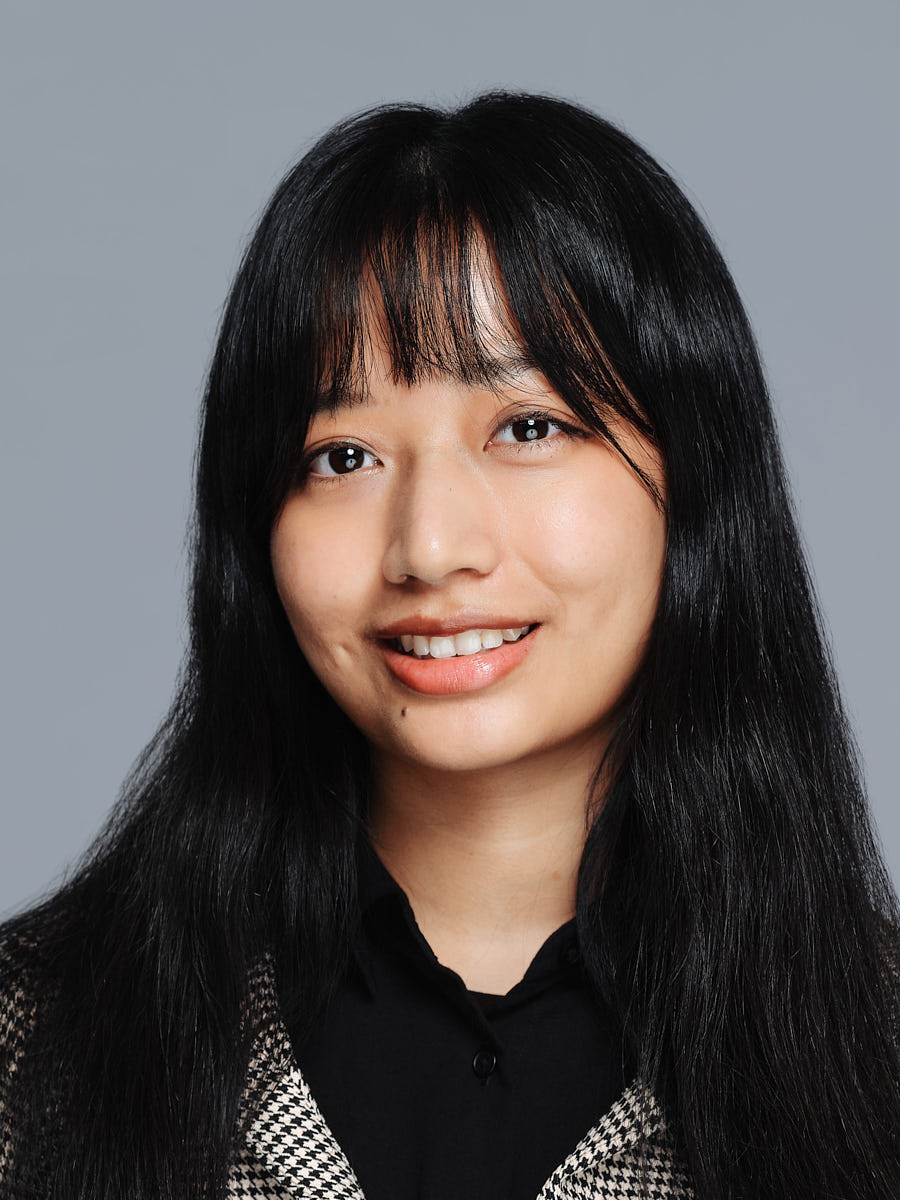
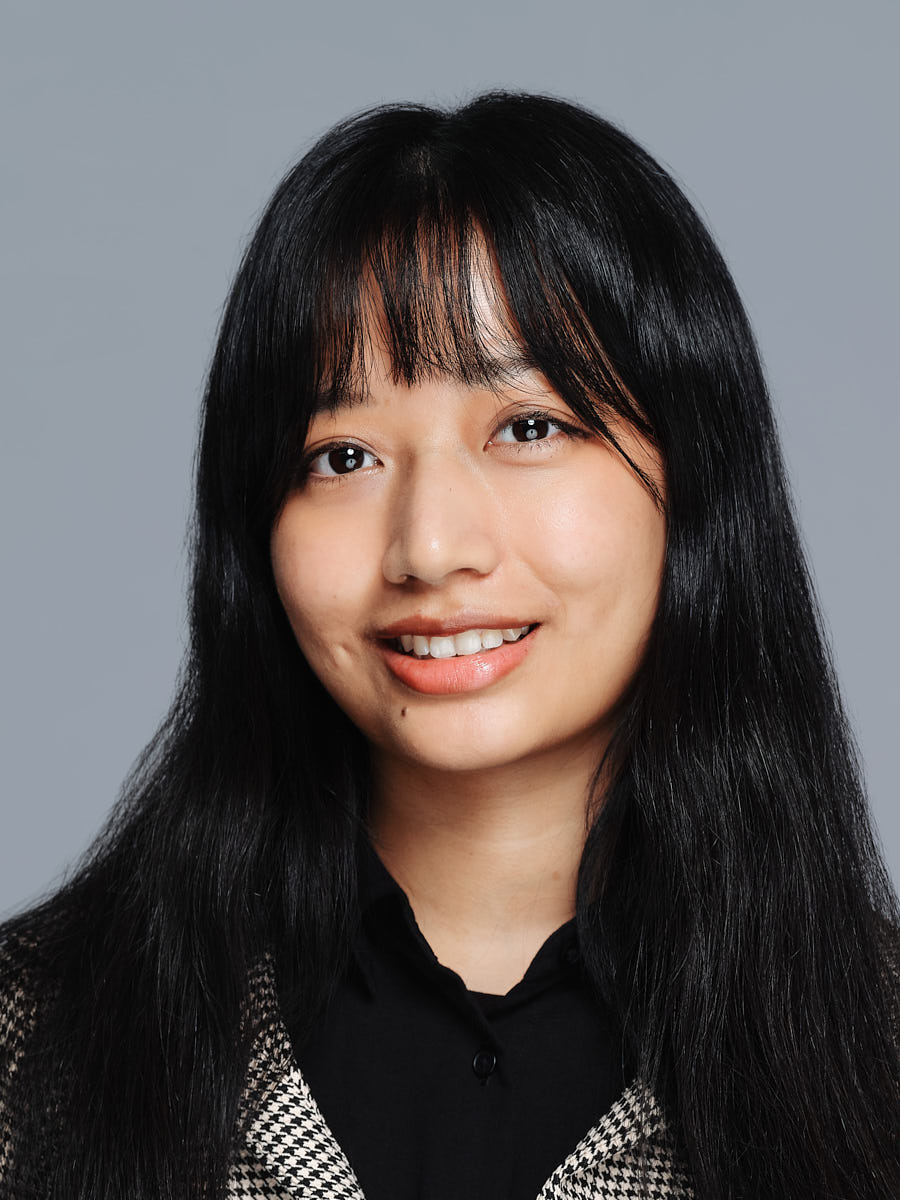
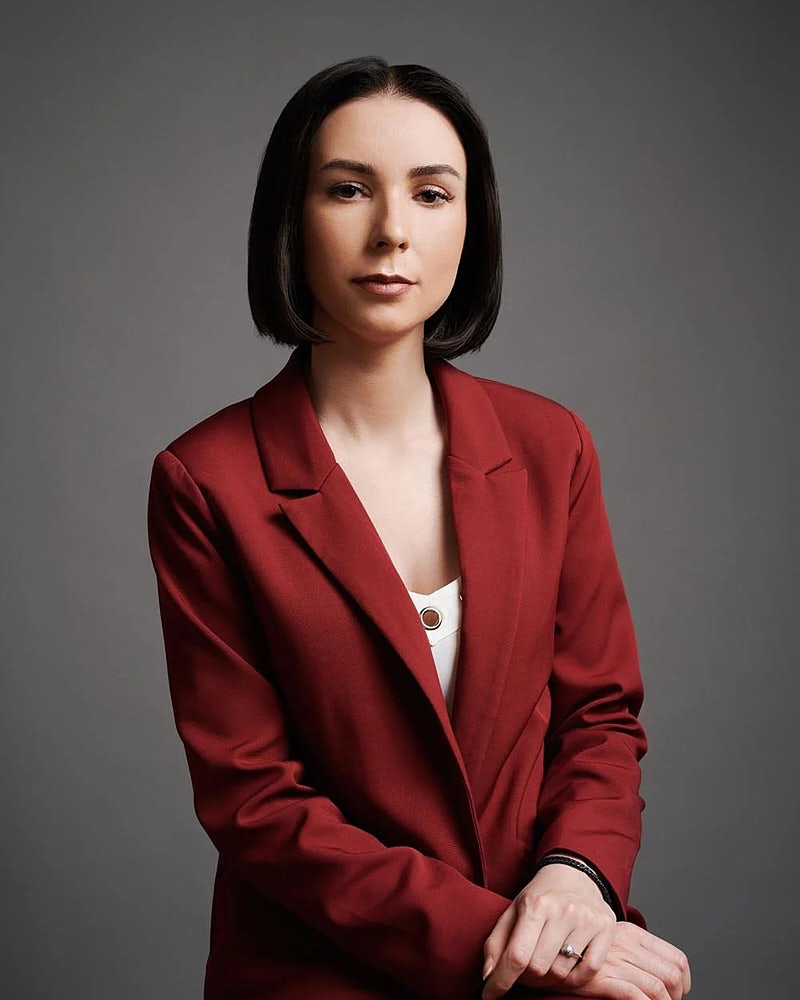
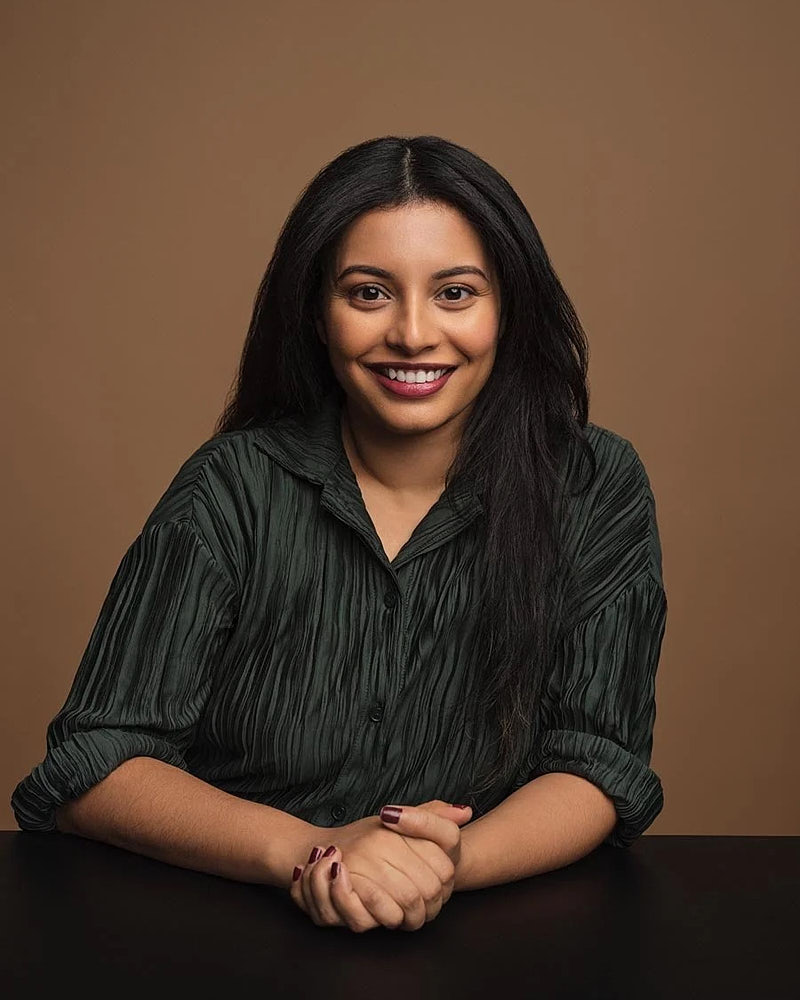
The gallery includes a navy jacket in a bright setting, a red blazer against a dark background and a wider seated portrait in a green shirt. Compare how clothing, background and crop share the frame. The color name alone does not explain the result.
Choose the outfit that fits your use, then check the full combination in the planned positions. Treat these as illustrative wardrobe references, not instructions that every person should copy the same garment or pose.
Common wardrobe questions
What is the best color to wear for headshots?
There is no single best color. Compare your clothes with the proposed background, your intended use and a real preview. A familiar color that keeps attention on the face is a reasonable starting point.
Can I wear a T-shirt?
Yes, when it fits the brief and sits well in the crop. A simple T-shirt may suit a casual professional or acting look. A company with a different dress expectation may call for another option.
Should I buy a new outfit?
Only if you need one. An existing well-fitting outfit can work. If you buy something, test it fully before the shoot rather than discovering fit or comfort problems during the appointment.
How many outfits should I bring?
Plan around the chosen package and the distinct looks you need. Extra backup pieces can help, but bringing an item does not mean it is included as an additional photographed look.
After choosing the clothes, use the packing and final-fit checklist to prepare the complete outfits and care items. Compare the current session packages before finalizing your wardrobe plan. Include the intended image use when you inquire.