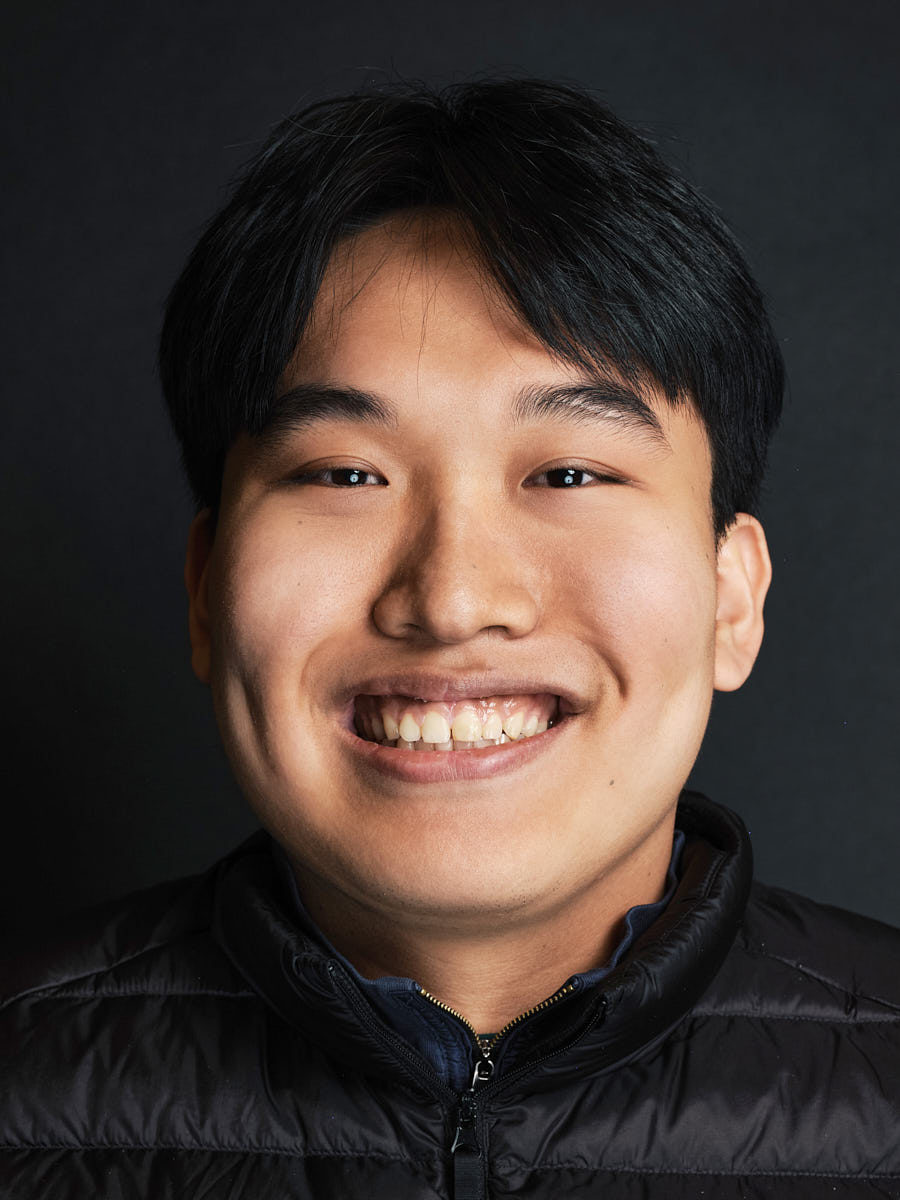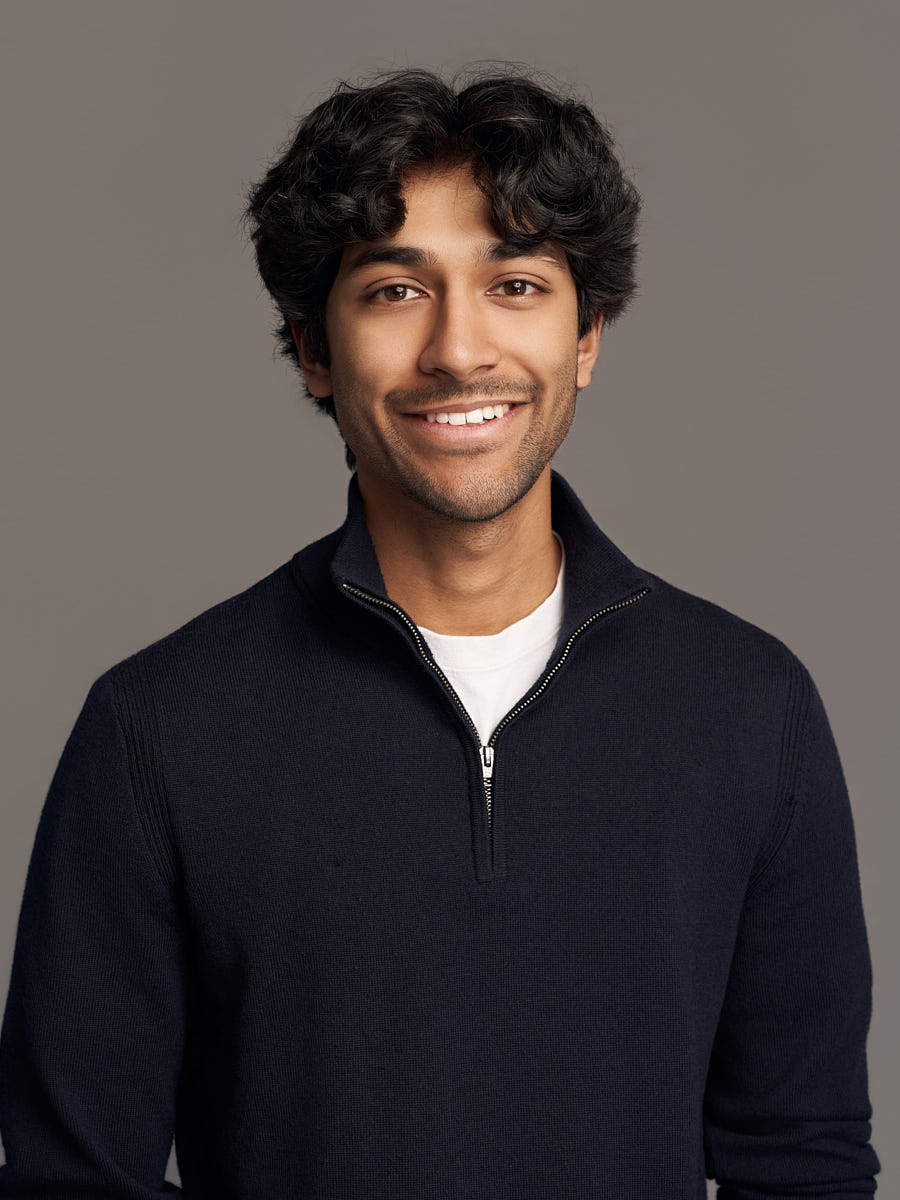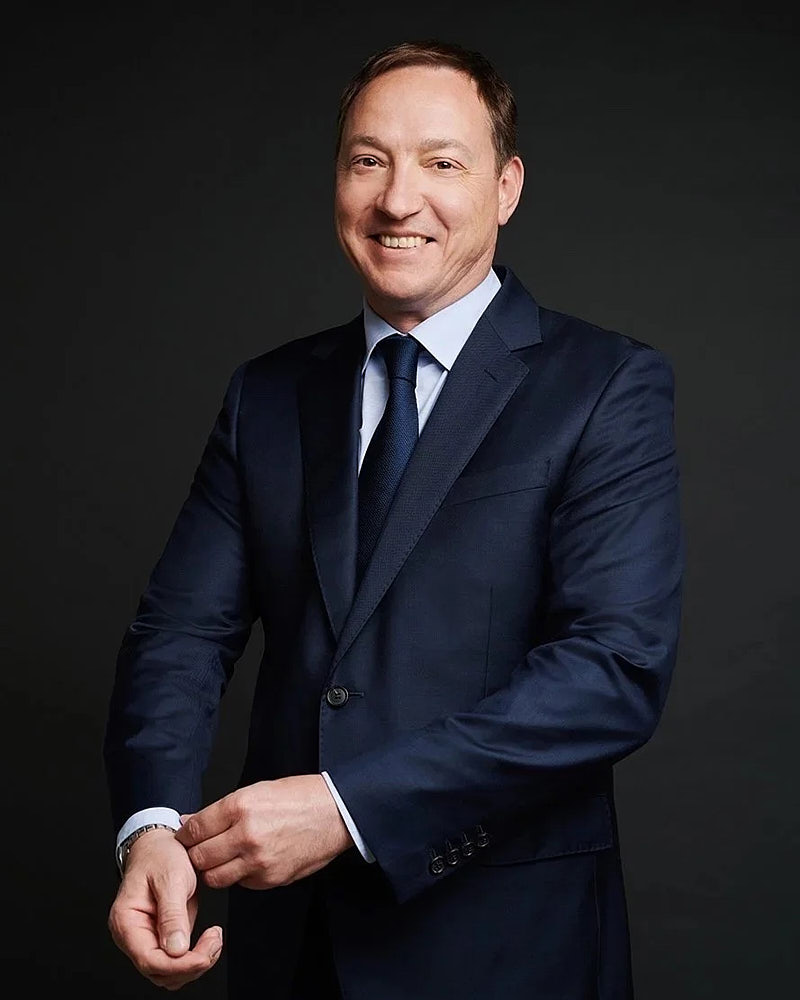
For a men’s headshot, start with a comfortable posture and clothes that sit naturally, then compare small changes in angle and expression. Jacket fit, collars, glasses and facial hair may matter to your particular portrait. None requires a rigid “masculine” pose or a forced serious expression.
Choose the image’s purpose and your preferred appearance
Decide whether you need a close work-profile image, a company biography or a wider executive portrait. The same person may choose different frames for each. A tight headshot places attention on the face and shoulders; a wider frame also needs deliberate hands and clothing.
Tell the photographer how you want to be recognized. That might include everyday glasses, facial hair, a familiar hairstyle or a particular level of formality. These preferences are useful instructions, rather than details you need to hide for a generic definition of professionalism.
Compare a straight stance and a small shoulder turn
Start balanced, with arms resting and shoulders comfortable. Photograph that straightforward position before making a small turn. Keep the head comfortably oriented toward the camera instead of twisting to maintain a memorized angle.
Review what changes in the frame. A turned shoulder may shift the jacket collar or reveal an unwanted crease. The photographer can adjust the position or clothing without asking you to exaggerate the turn.
If standing is not comfortable or suitable, use another supported position. The goal is useful portraits, not passing a posture test.
Check the jacket and collar after you settle
Clothing can look different seated, turned or photographed close up. Check that lapels lie naturally and the collar sits where you expect. Discuss whether the jacket works better open or fastened for that composition.
| Detail | Useful check | Alternative to compare |
|---|---|---|
| Jacket | No uncomfortable pulling or bunching | Open versus fastened |
| Collar | Sits neatly beside the face | Open collar or tie, if relevant |
| Shoulders | Comfortable rather than braced | Small turn or straight stance |
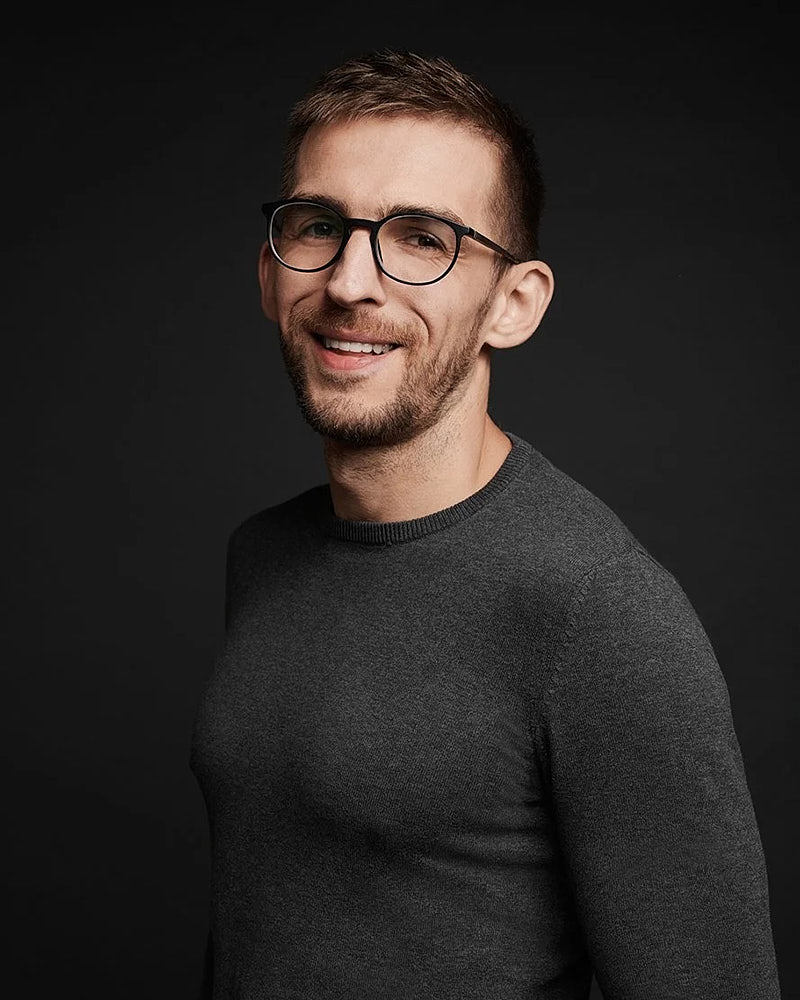
| Glasses | Eyes remain visible | Adjusted lighting and head position |
| Wider frame | Hands look intentional | Relaxed hands or a supported surface |
Do not assume a tie is mandatory because the photo is for work. Match the combination to your role and intended audience. The corporate and LinkedIn wardrobe guide covers formality and clothing preparation in more detail.
Use hands only when they belong in the composition
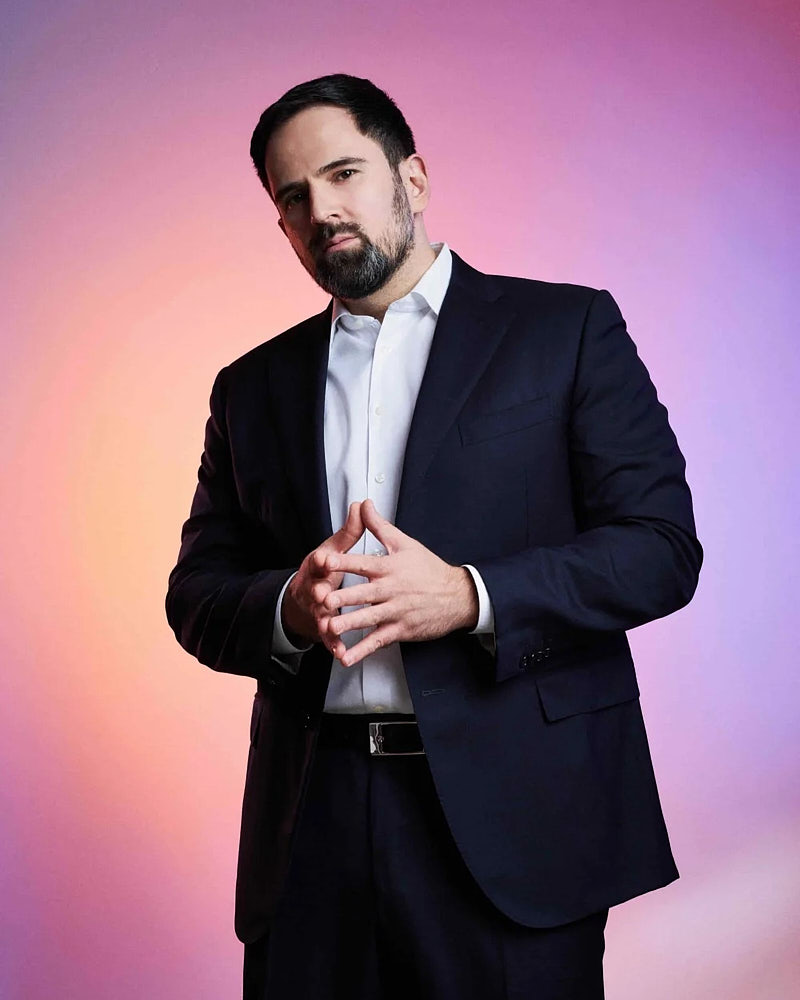
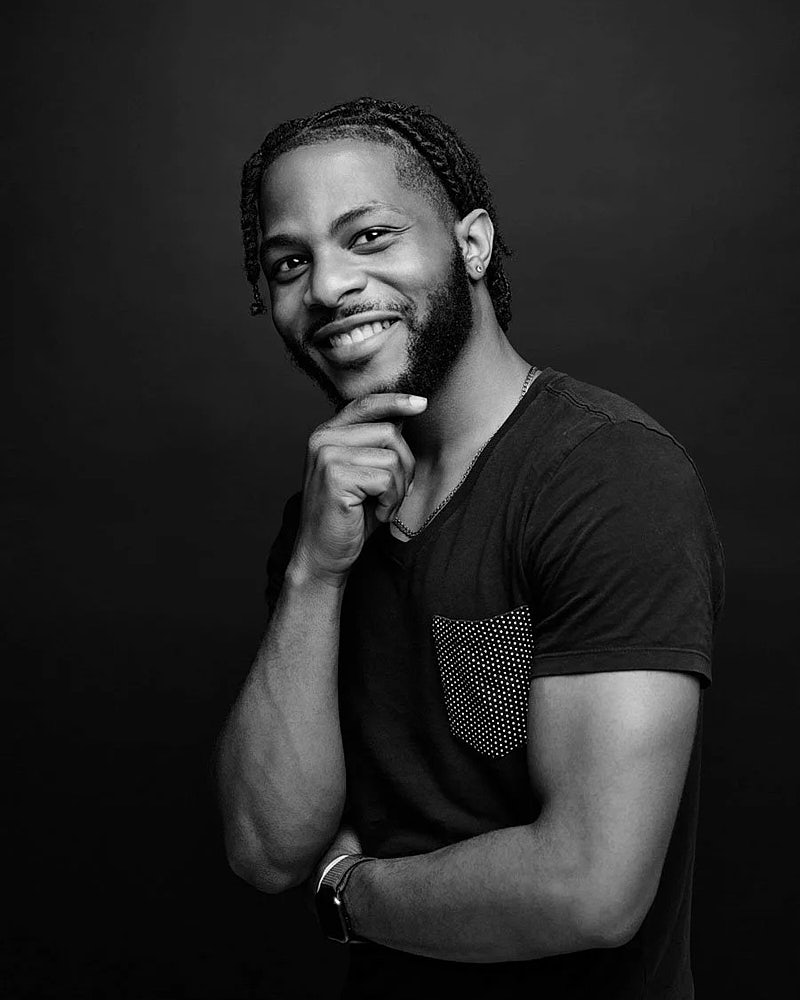
For a close crop, arms can rest outside the picture. For a medium portrait, try one simple option: hands on the lap, one hand near a pocket or a comfortable chair arm. Change the gesture if it creates tension.
Folded arms can be compared with an open position, but they are not a shortcut to authority. A hand adjusting a jacket may suit an editorial frame; repeating the gesture throughout the session can look staged. Choose what fits the actual portrait.
Keep grooming current and expression recognizable
Prepare facial hair as you normally want it represented. If you plan a significant haircut or beard change, consider which appearance the final photo should show. Do not let generic advice dictate a look you do not intend to maintain.
Try neutral and smiling frames after the posture settles. A serious expression is not compulsory for leadership, and a smile does not automatically suit every editorial brief. Compare the pictures at the size they will be used.
For a LinkedIn avatar, the thumbnail and crop checklist helps you evaluate clarity beyond the large gallery view.
Planning example: two uses from one session
Planning example, not a client case. A professional needs a current LinkedIn avatar and a wider biography image for a company website. They wear glasses every day and prefer an open-collar shirt with a jacket.
The close portrait begins with a comfortable stance and a small shoulder variation. The photographer checks reflections and collar position. A seated frame adds an option for the website, with hands resting naturally. Selection is based on likeness and placement, not whether the pose seems sufficiently forceful.
Compare the jacket and hands in visible references
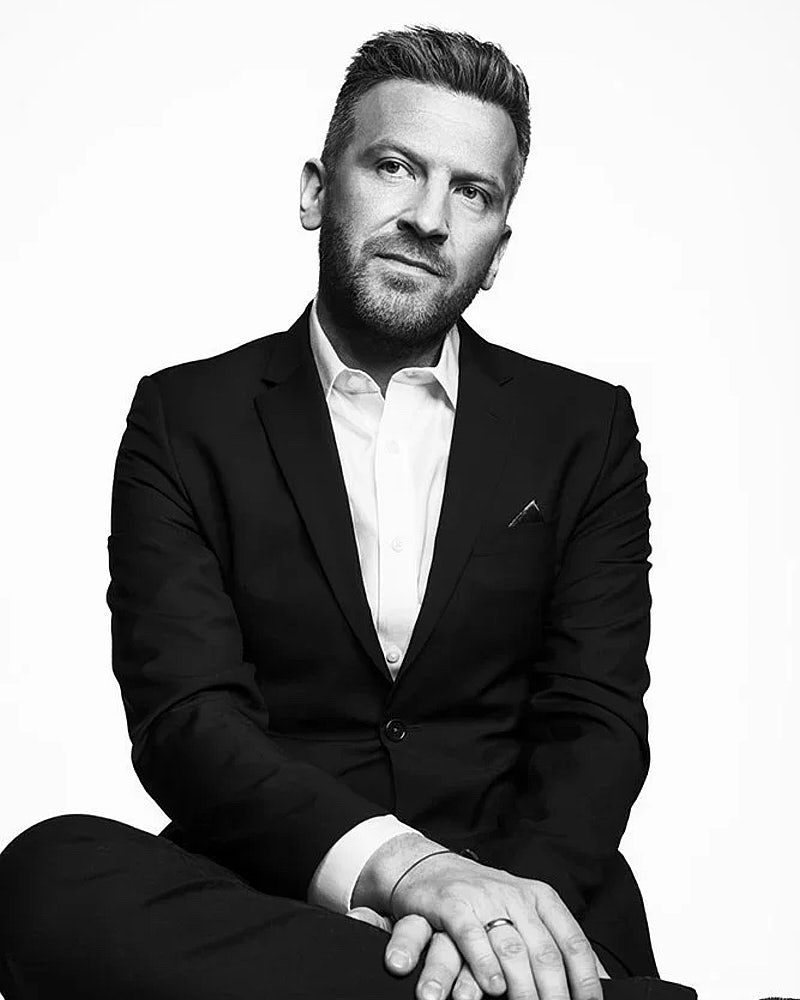
The black-and-white seated reference shows a jacket, open collar and hands resting on the lap. The glasses portrait uses a much closer frame, with the hands outside it. Compare the area your own placement will display before practicing a gesture.
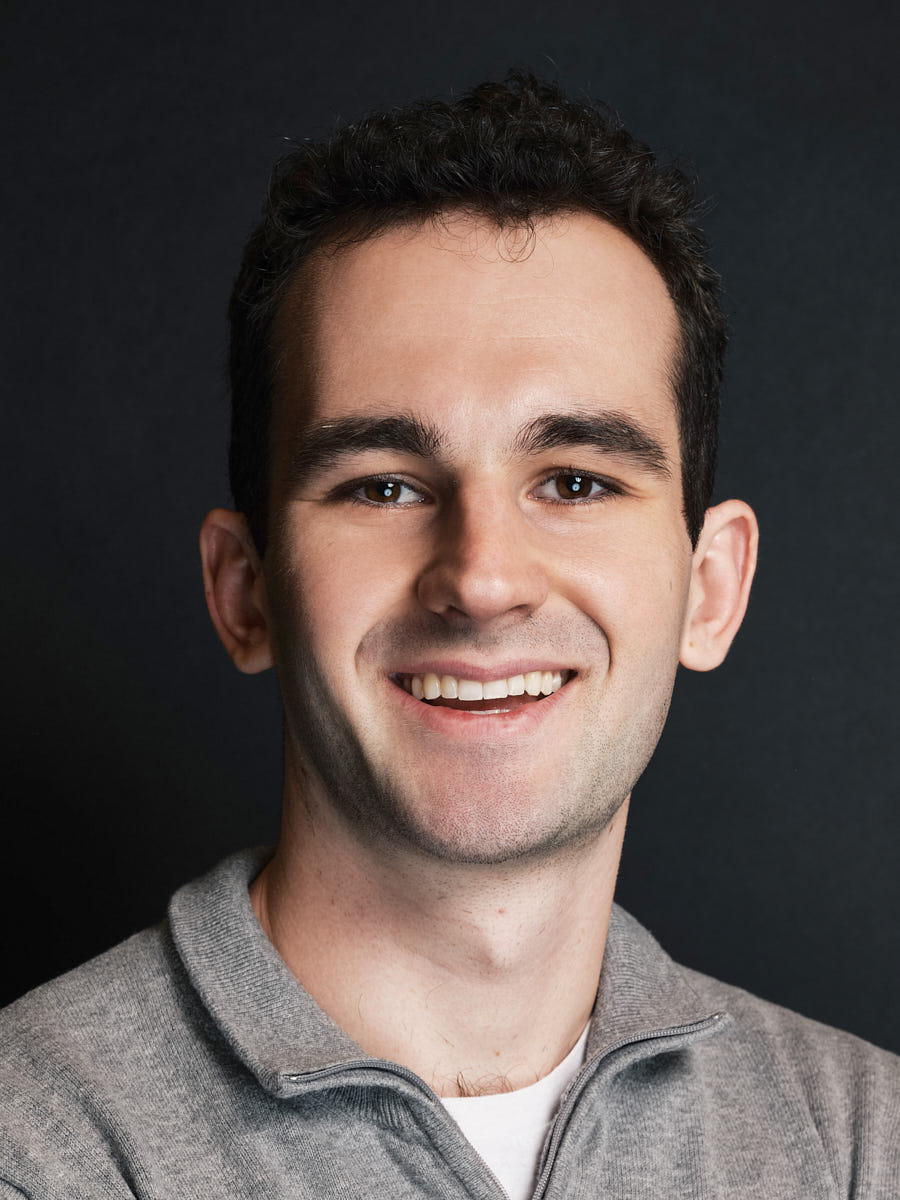
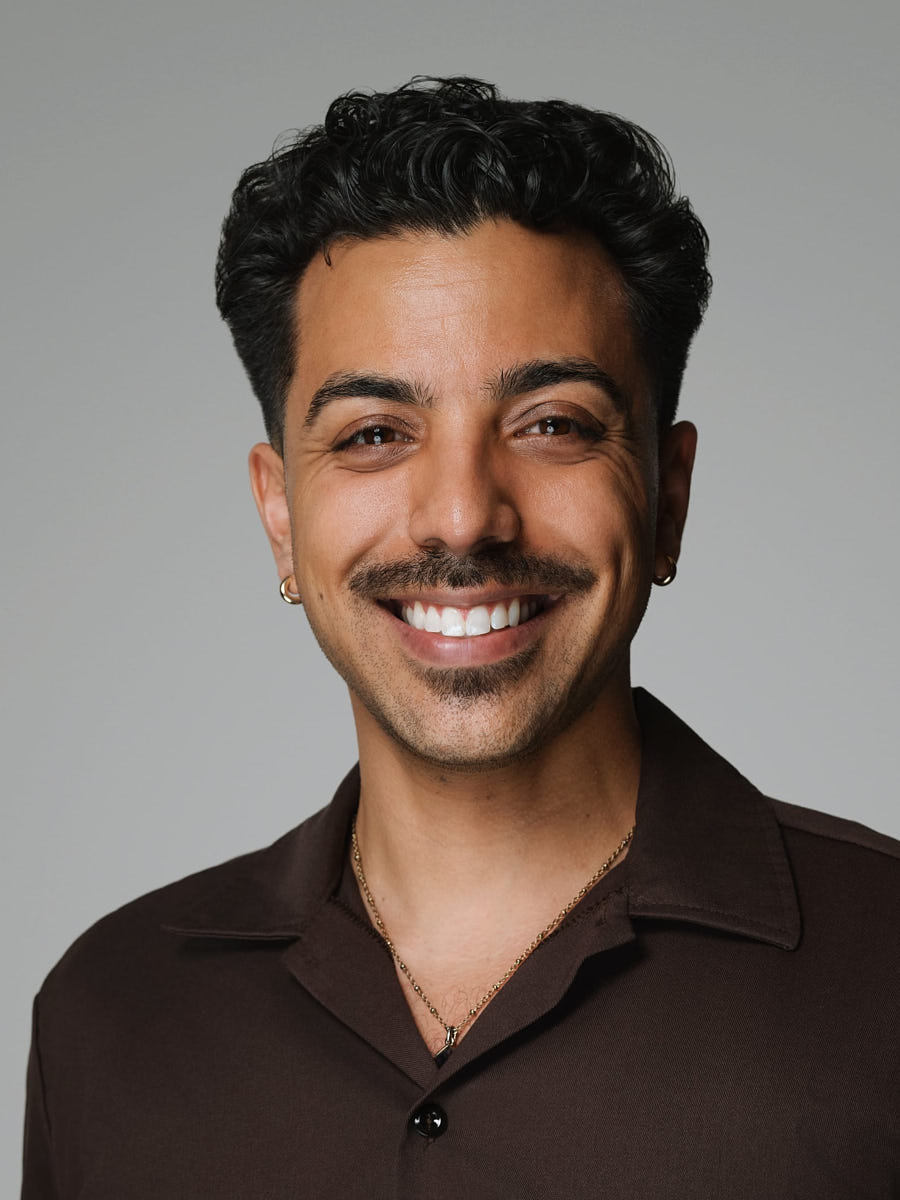
A suit, facial hair or a serious expression is a personal brief choice. The photographed people illustrate different compositions; their roles and booking requirements are not established by the photographs.
Questions about men’s headshot poses
Do I need to fold my arms?
No. It is one optional position for a wider portrait. Relaxed arms, seated hands or a supported surface may feel more natural. In a tight headshot, hands may not appear at all.
Should I shave before a professional headshot?
Choose the appearance you want the photograph to represent. If you normally wear facial hair, it can remain part of the portrait. Prepare it deliberately rather than making an unexpected last-minute change.
Can I smile in an executive portrait?
Yes. Try several recognizable expressions and choose against the actual use. A leadership bio, interview and speaker profile may benefit from different frames rather than a single prescribed mood.
What if I do not know what to do?
You do not need a memorized routine. Tell the photographer what feels awkward and let the session proceed through small adjustments. The seven starting positions are preparation options, not a test.
Compare professional headshot sessions in Los Angeles and explain whether you need a close profile, wider biography portrait or both.